
Meat-Packing Monopoly Drives Up Prices
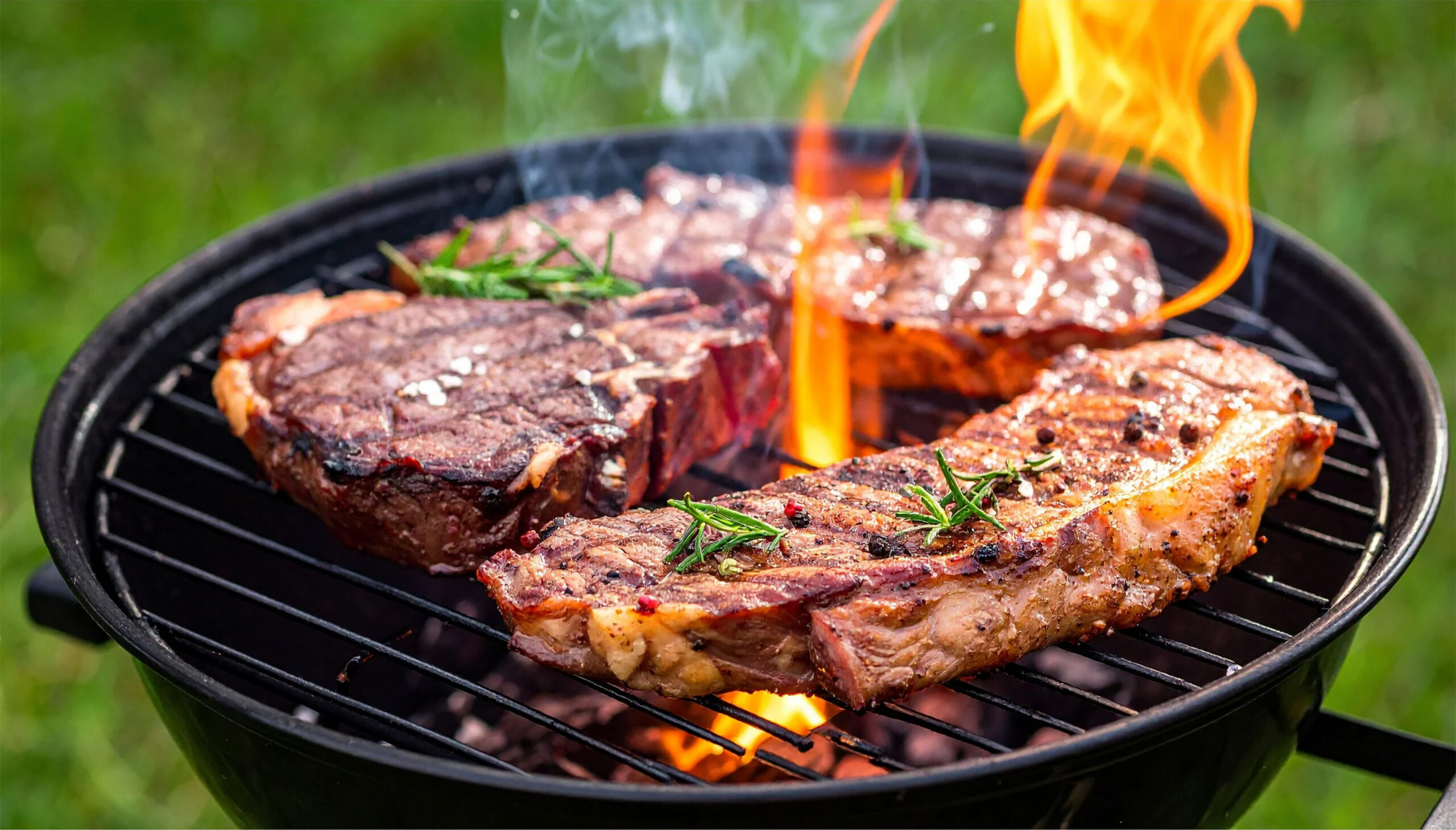
Many who enjoy a tasty burger or steak at family barbeques or cook-outs don’t really want to think about the farm to table process. Savoring the juicy and satisfying flavors produced over a flamed grill has become a special treat for many due to the rising costs of beef. What factors are driving up the cost of those steaks and what can be done to lower the consumer costs?
Two Business Models
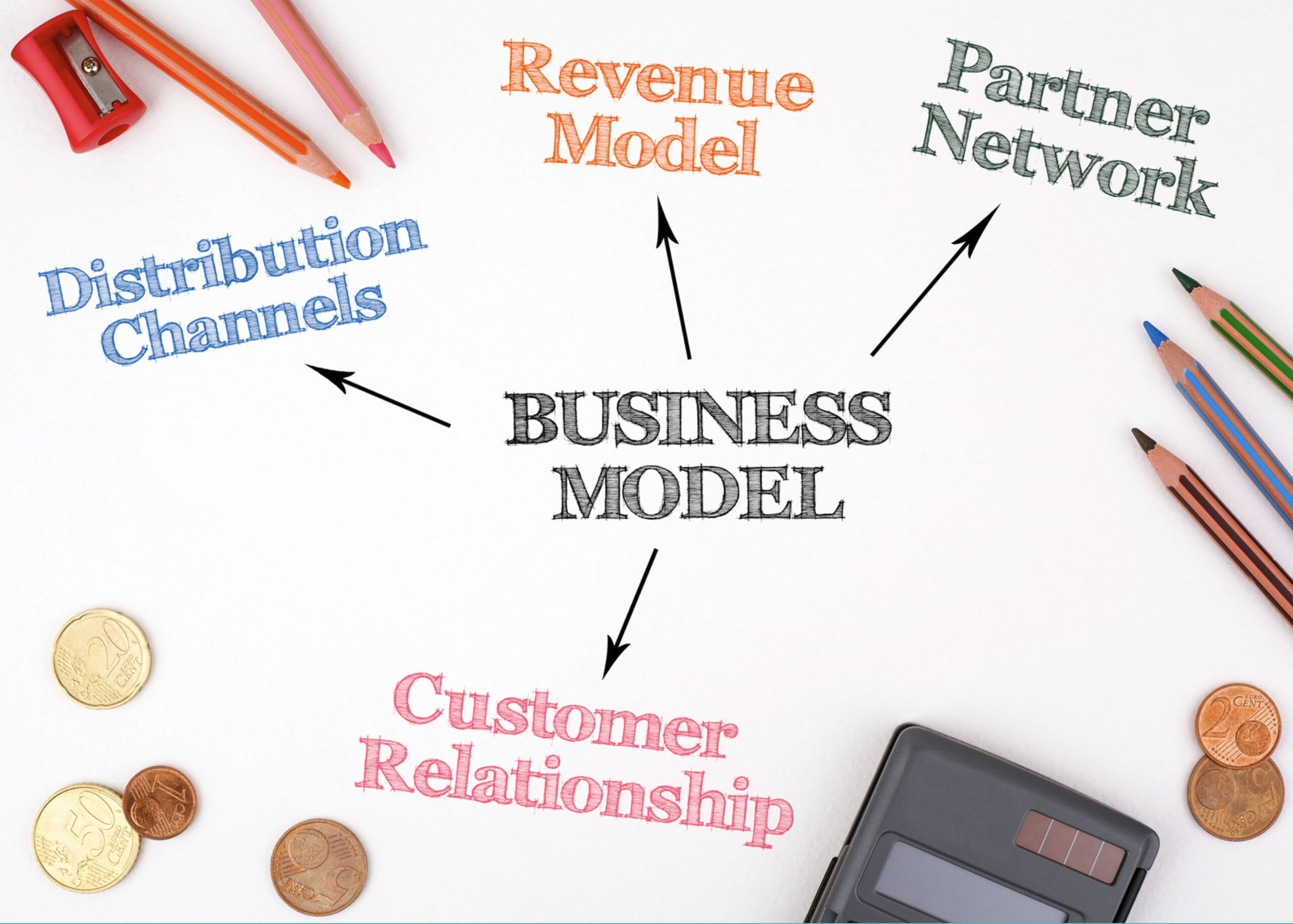
Cattle ranchers have two business models from which to choose to sell their product. They can either sell the animals to a processing/meat-packing plant for distribution or they can have the animals processed for a fee and sell the beef themselves. Ranchers are allowed to process their own cattle but only for the ranch’s own consumption. Any sales of beef must be processed through a U.S. Department of Agriculture (USDA) approved meat-packing plant.
Although it might be easier for farmers to use the first model of selling the cattle, over the years the number of USDA approved processors for large commercial transactions has dwindled. Currently, 85% of the steer and heifer purchases are handled by just four companies, the Big Four: JBS USA, Tyson Foods, Cargill, and National Beef Packing Company. In 1980, these companies held a 36% share of the industry. Now, the Big Four essentially have a monopoly running the market, setting prices for cattle, and making it difficult for independent processors to compete.
To avoid the Big Four, many ranchers have moved to the second business model. Farmers take their cattle to smaller processors, retain ownership of them, and then sell the beef directly to consumers, restaurants, and grocery stores. The farmer has more control over the pricing of his products with this model.
Executive Orders
Many American ranchers would like the ability to process, package, and sell their meat directly, avoiding the monopolistic practices of meat processors. In an effort to help ranchers accomplish this, on September 4, 2026 President Trump signed an Executive Order “Promoting Fair Competition In Livestock Markets And Expanding Market Access For American Meat Producers.” The order does the following:
- Increases competition and protects ranchers from dominant meatpackers;
- Makes it easier for small processors and ranchers to sell meat across state lines;
- Expands independent and regional meat-processing capacity.
The policy is designed to give ranchers more choices than simply selling their cattle to one of a few dominant packers.
Another Executive Order was also signed on September 4, 2026 titled, “Supporting America’s Ranchers.” Despite increasing demand for beef, the American cattle herd is at a 75-year low. This was driven by previous climate policies, high inflation/costs, drought conditions, etc. It takes several years to rebuild herds, but ranchers are beginning the process. This order will help in the following ways:
- Reduces regulatory and financial burdens on ranchers;
- Gives ranchers more tools to protect livestock from predators;
- Considers mandatory country-of-origin labeling for beef.
Although beef packagers can voluntarily place country-of-origin labels on beef products, many do not. Perhaps the fact that two of the Big Four, JBS and National Beef, are majority owned by Brazilian companies has something to do with that. Some may assume their steak is from an American bred steer, but due to the herd shortages, the United States imports beef from Australia, Brazil, Canada, Mexico, and many other countries. Americans deserve to know the country-of-origin of the beef we are consuming
Pennsylvania Cattle
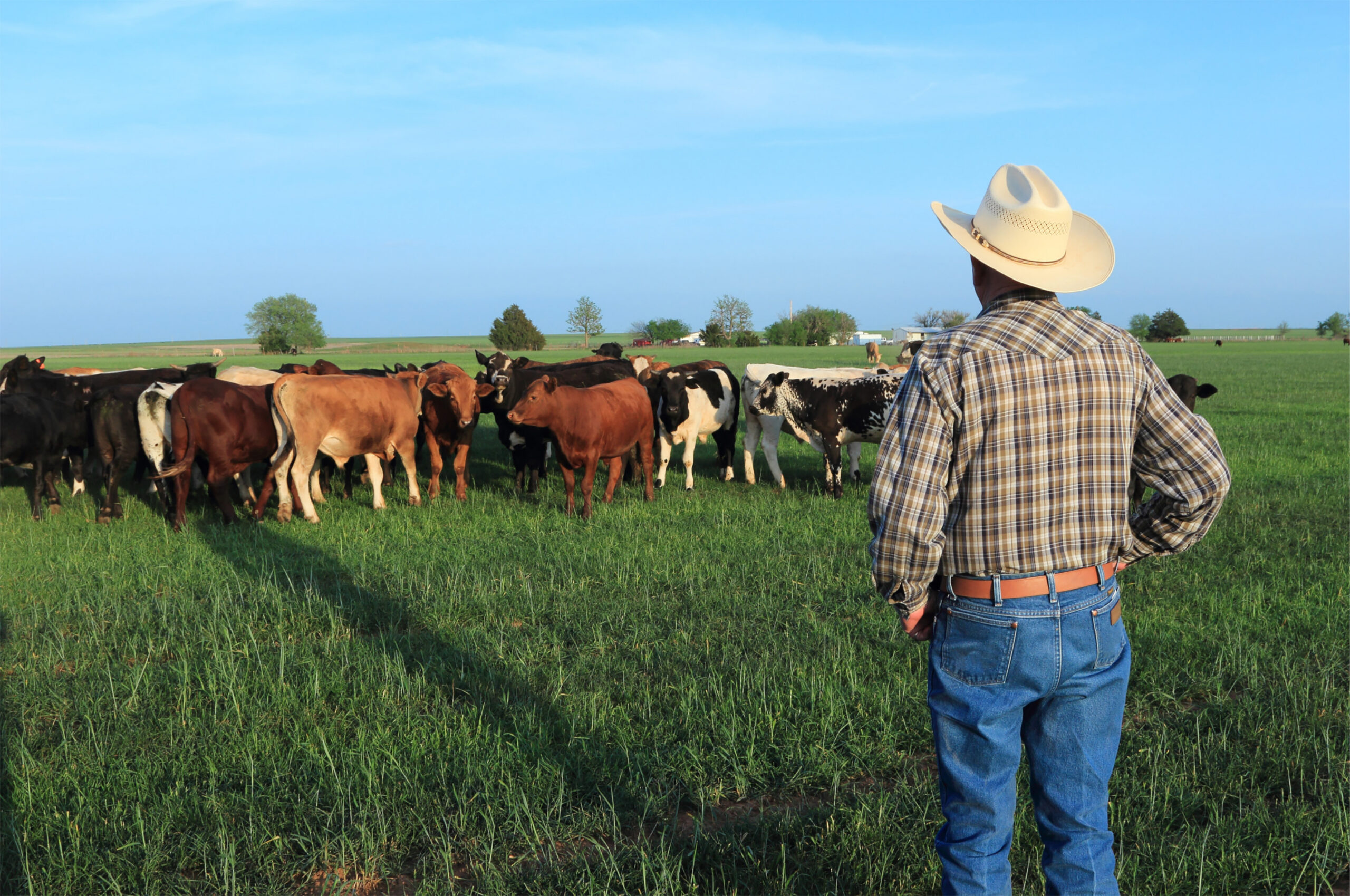
According to the USDA 2025 State Agriculture Overview, Pennsylvania had 1.4 million cattle and calves, including dairy and beef cows, as of January 1, 2026. However, there are only two large-scale cattle buyers/packers: Cargill in Wyalusing, Bradford County (Big Four) and Nicholas Meat in Loganton, Clinton County. The Cargill facility illustrates the consolidation that has reshaped the meatpacking industry. Originally owned by Taylor Packing, the facility was acquired by Cargill in 2002. Whereas Nicholas Meat is still independently owned.
Southeastern Pennsylvania blessed to have fertile land with thousands of farms, including about three dozen cattle farms in the following counties: Berks, Bucks, Chester, Lancaster, Lebanon, and Montgomery. Due to the transportation costs involved to get to one of the large cattle buyers in northern Pennsylvania, most if not all of the local farmers use small independent processors. Each county in the region has at least one full-service cattle processor with the exception of Montgomery County whose only cattle slaughterhouse, JBS Souderton, ceased that aspect of its business. Smuckers Meats in Mounty Joy, Lancaster County serves as an important processing hub for the region servicing 200 farms.
Small cattle farms will most likely benefit from the newly signed Executive Orders which will allow them to cut out the middleman in transacting the beef products. Farms can get USDA certified for meat processing, cut transportation costs, cut external processing costs, and pass on some savings to customers.
Bottom line…
Everyone would agree that food that goes from the farm directly to the kitchen table is fresher, tastier, and healthier. Whether purchasing produce or meats, buying local and buying direct from the farm is the best way to get the most flavorful and nutrient rich foods. The changes the administration is ordering can bring a win-win to farmers and consumers in terms of keeping local products local with cost savings to all. Help our farmers to continue producing quality crops and meats by looking for a local farm (links provided above) and purchasing from it today.
As the Constitutional Convention ended in 1787, Benjamin Franklin was asked if the delegates produced a monarchy or a republic. Franklin replied, “A republic, if you can keep it.”
We are trying to keep this republic that we love and hold our representatives accountable to the people. Join us in that mission and share this Update with your contacts!