Scams Target PA’s Senior Population
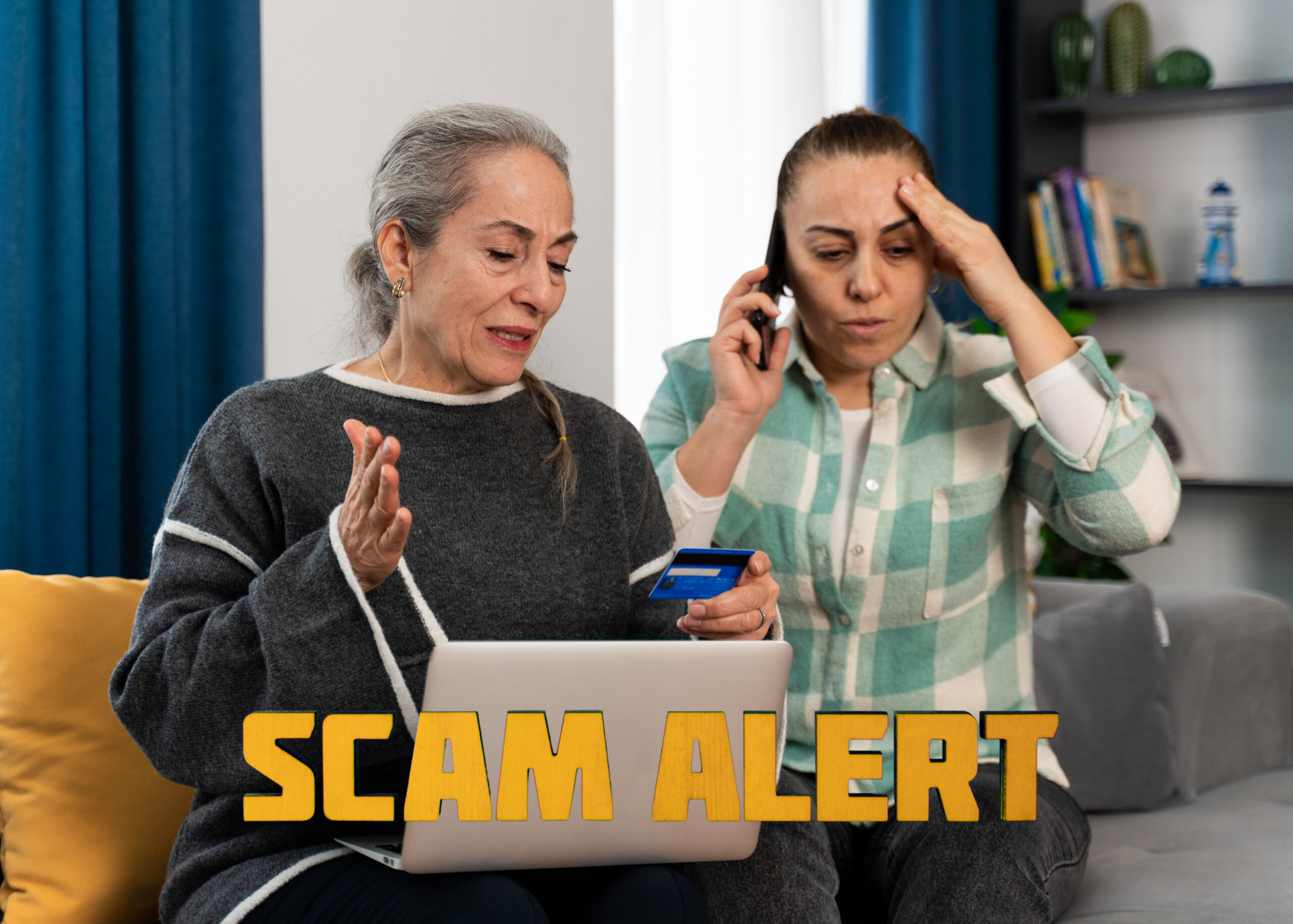
Pennsylvania has more than 3.5 million residents aged 60 or older, more than one-quarter of the commonwealth’s population. It ranks 5th in the nation for its number of elderly citizens, according to the PA Department of Aging.
As Pennsylvania’s population is aging, many are taking advantage of our seniors with scams that bilk some of our most vulnerable out of precious funds. In fact, according to the Federal Bureau of Investigation’s Internet Crime Complaint Center, over $215 million was lost by Pennsylvanians 60 and older in 2025 alone
Scams
There are many types of scams being pulled on the Baby Boomer generation. Often widows or widowers succumb to romance or close confidant scams as they seek companionship in their later life. Additionally, investment scams with guaranteed returns in short timeframes attract seniors looking for ways to make retirement more comfortable. Instead, many lose their retirement nest egg altogether.
Here are a few other examples of popular scams:
Online Shopping & Counterfeit Products
Is there anyone in America who has never purchased items from an online retailer? It’s often less time consuming than going to a brick-and-mortar store, especially for specific purchases. Senior citizens are turning to online shopping more and more as physical limitations sometimes deter them from venturing outside their homes.
Being a savvy consumer in an online setting is not as easy as it is in a physical establishment. As a result, many elderly are making “too good to be true” discounted purchases online, using fake websites, and receiving counterfeited products. Examples include postage stamps, electronics, jewelry, and designer goods.
Online scams are not new, but they are expanding. With respect to stamps, the United States Postal Services Inspectors indicate that counterfeit postage stamps increased dramatically after 2020 and is driven mostly by online sales. Deep discounts of 50% or more for Forever stamps are a sure way of knowing they are fake. Knowingly using counterfeit stamps is a crime.
Phishing – Government Imposters

Another scam, called phishing, can be perpetrated through the sending of emails or text messages, phone calls, or websites. People are tricked into divulging sensitive information such as bank or investment accounts numbers and passwords. Although people of all ages are attacked with phishing, the senior population is extremely susceptible.
Imagine a Department of Homeland Security officer calls, supposedly from the Texas border, claiming that an illegal immigrant has been using your identity to make online purchases. The “officer” needs to confirm a few things with you prior to arresting the offender, maybe your last online purchase or your bank name. With a few readily available details and a spoofed phone number (one that shows on caller ID as something other than it is), the scam artist can make many believe they are who they say they are. After all, they are only trying to protect you from identity theft by asking you to transfer the contents of your bank account to a “secure government account” while the prosecution takes place.
Many seniors have lost savings due to fraudulent calls supposedly emanating from the Social Security Administration, the police department, the Internal Revenue Service, or their banking institution. Receiving a phone call from a bank or government agency used to be considered an identifiable and accountable source. That is no longer the case. Today’s scammers deliberately exploit those familiar signals of legitimacy.
Grandparent/Family Emergencies
Many in the 60+ age range enjoy the pleasure of being grandparents. What grandparents wouldn’t do whatever they could to help their favorite grandchild (yes, there is most definitely a favorite) when called? And a grandparent would absolutely know his or her grandchild’s voice, right? Is it real or is it AI?
As more teenagers and young adults post videos of themselves on social media platforms, their likenesses and voices are in the public domain. As artificial intelligence (AI) continues to gain function, many are now able to imitate voices, including that of beloved grandchildren and family members.
Someone calls using AI and pretends to be your grandchild who was injured, stranded, or even arrested. A second person will get on the line impersonating an attorney, police officer, or court employee. This person is willing to help your relative, but it will cost a certain amount that needs to be paid immediately. When a “grandchild” pleads not to tell “mom” or “dad” and promises the incident won’t ever happen again, many grandparents wire money, send gift cards, or courier cash to help.
PA Attorney General
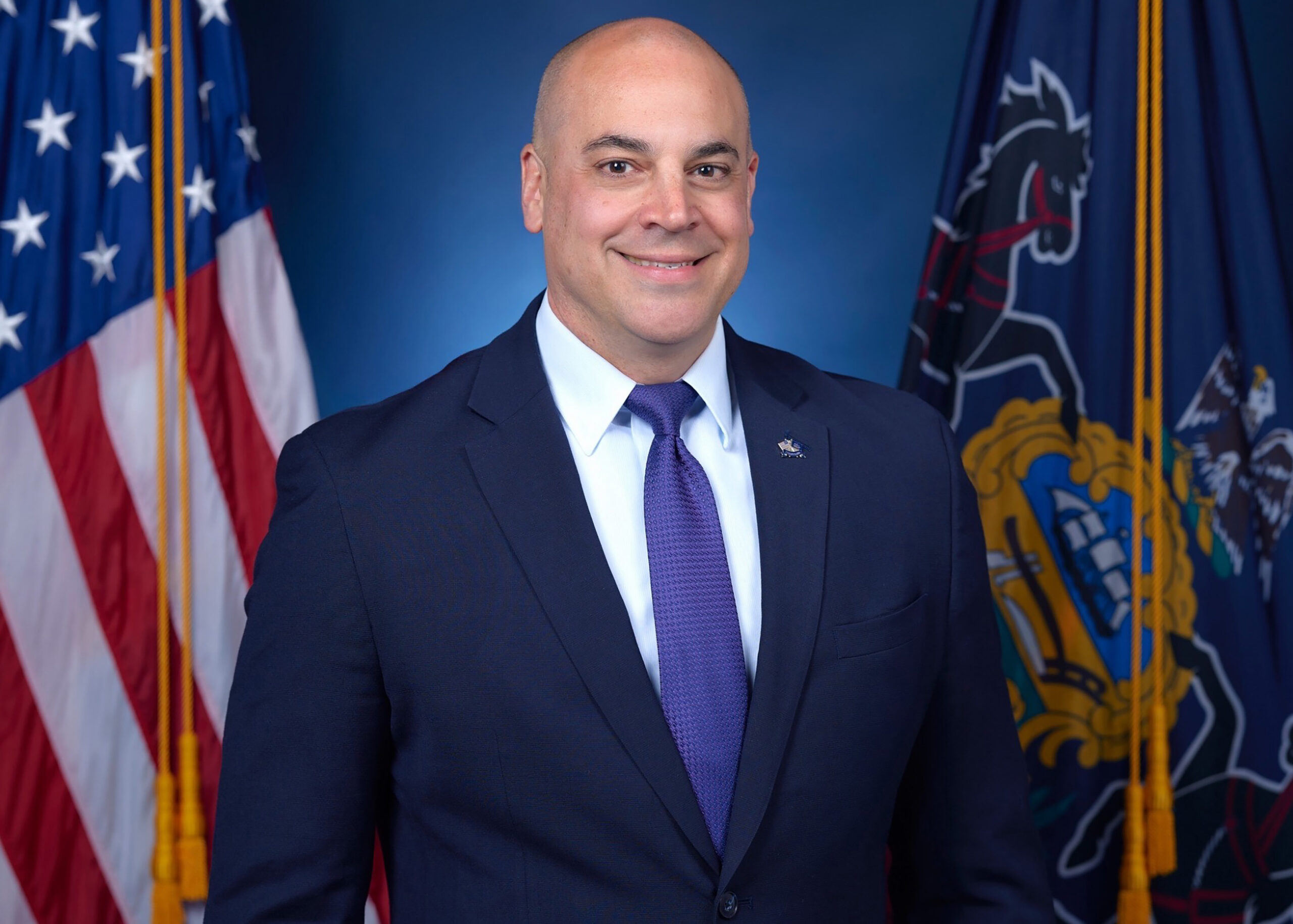
Pennsylvania Attorney General Dave Sunday recently appeared on The Conservative Voice where he revealed that Pennsylvania has the highest Medicaid fraud conviction rate of any state in the nation. In addition, he shared that in late 2025 his office opened an Elder Exploitation Section to expand protections and services for seniors. The focus of that section is financial theft and fraud.
What makes fraud against older adults especially consequential is that they often have greater accumulated savings and retirement assets, so successful scams can produce much larger losses. With many investment companies using voice recognition as a password, AI may make that security measure obsolete. Attorney General Sunday may be prosecuting more of this type of fraud in the future.
The Attorney General’s Office of Public Engagement offers scam awareness and identity theft programs to help protect against fraud.
Bottom line…
Unfortunately, we live at a time when it is easier than ever to steal and take advantage of the unsuspecting. Because of secrecy and the shame involved, family members often become aware of a senior fraud situation after significant sums of money are already gone.
If it seems too good to be true, then it is! Avoid becoming a target by only using reputable online retailers. Remember that any official government notices will always be sent by mail or in person. Establish a family or friend code word to authenticate identity when it could be in question.
Please share this information with friends and loved ones before one more senior becomes a victim.
As the Constitutional Convention ended in 1787, Benjamin Franklin was asked if the delegates produced a monarchy or a republic. Franklin replied, “A republic, if you can keep it.”
We are trying to keep this republic that we love and hold our representatives accountable to the people. Join us in that mission and share this Update with your contacts!