What about Personal Privacy with the Ever-Expanding Use of Technology?
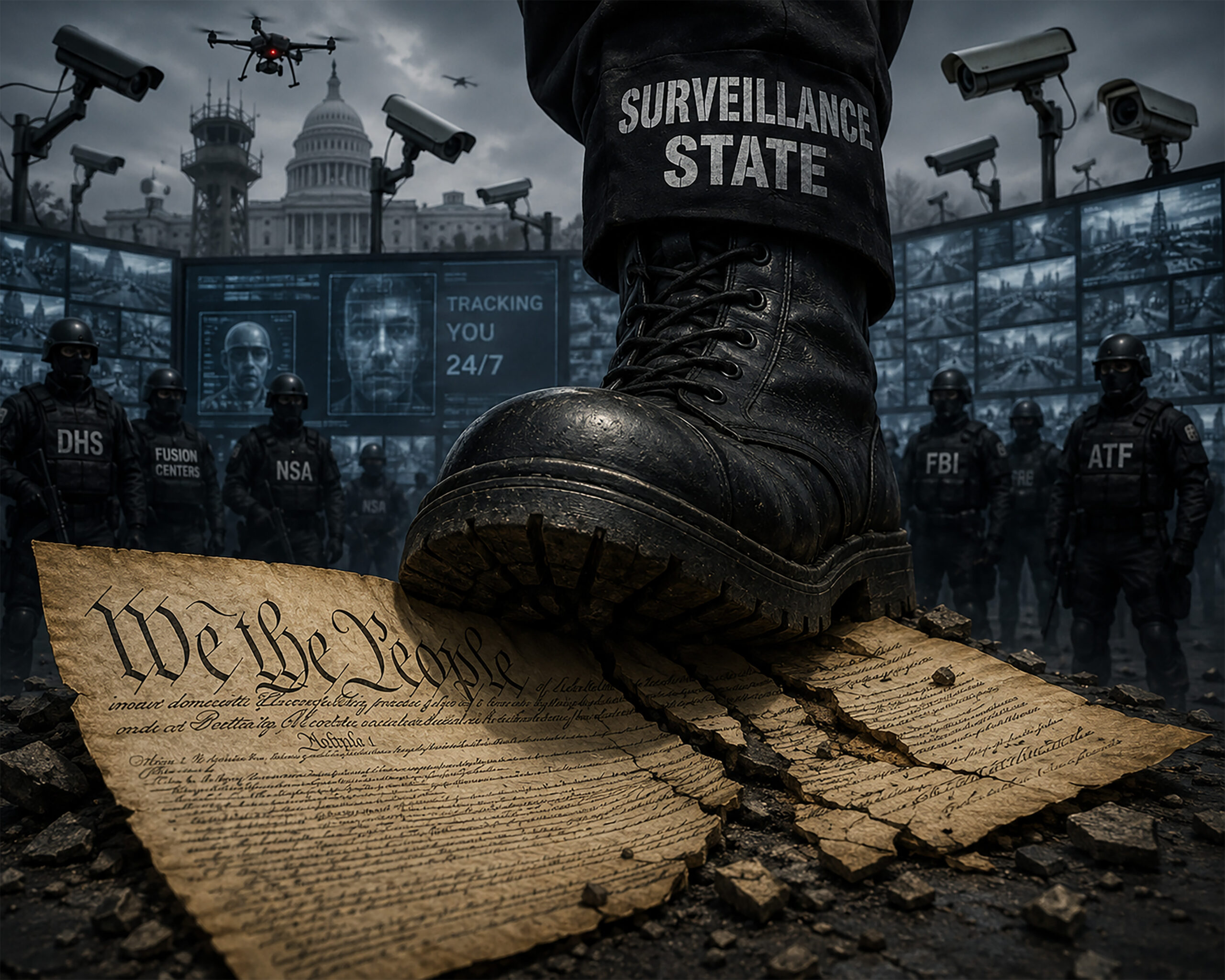
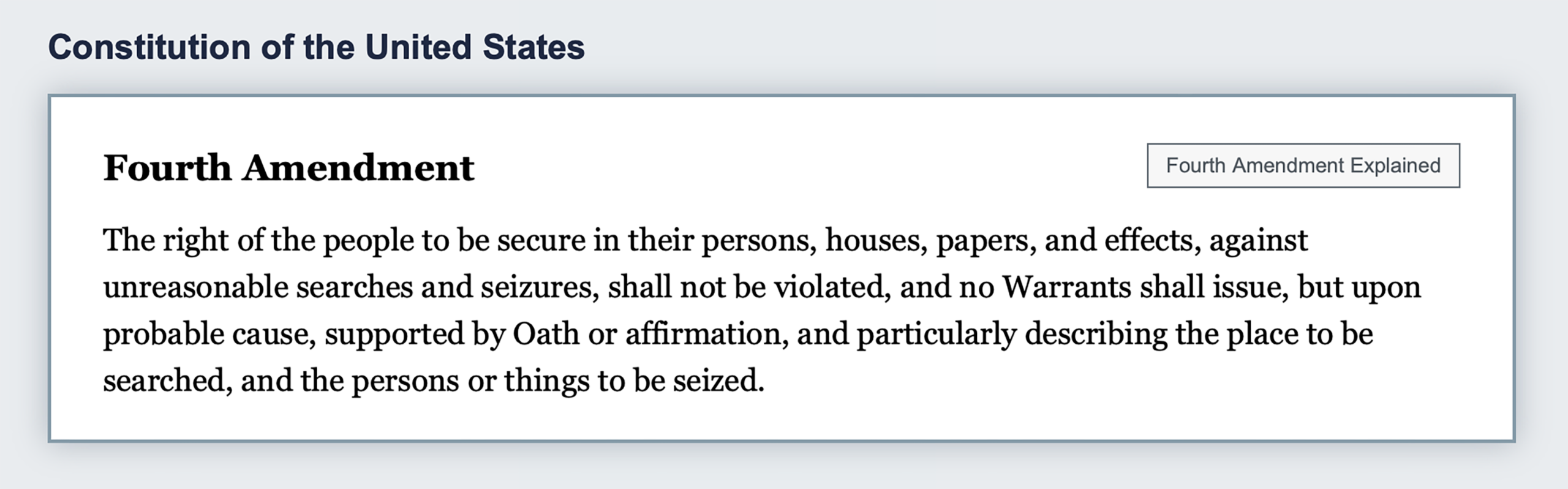
The protections afforded Americans under the 4th Amendment to the Constitution of the United States aren’t discussed as frequently as those covered under the 1st and 2nd Amendments – freedom of speech and the right to bear arms – but they are no less important.
As explained by Constitution Annotated, the 4th Amendment guarantees a person’s security from unreasonable searches and seizures without a judicial warrant. In other words, it protects our privacy. With the ever-expanding use of technology and surveillance devices including satellites, traffic cameras, cell phones and towers, how far the privacy protection extends is a question many are asking.
U.S. Supreme Court Ruling
On June 29, 2026 in a 6-3 decision, the U.S. Supreme Court (SCOTUS) ruled that a “geofence warrant,” in this case for cell phone location data, is a search for 4th Amendment purposes. SCOTUS sent the decision back to the lower court to determine if the search was “reasonable” as the 4th Amendment requires.
A geofence is a virtual perimeter around an area that allows the capture of the data of any location-aware device, ex. a smartphone or laptop, or location-based service, ex. Uber or DoorDash. In this case, police provided a geofence warrant to a mobile phone provider asking for it to turn over all accounts where cell phones were located at a certain place for a certain period of time.
Writing for the majority opinion, Justice Kagen stated the following:
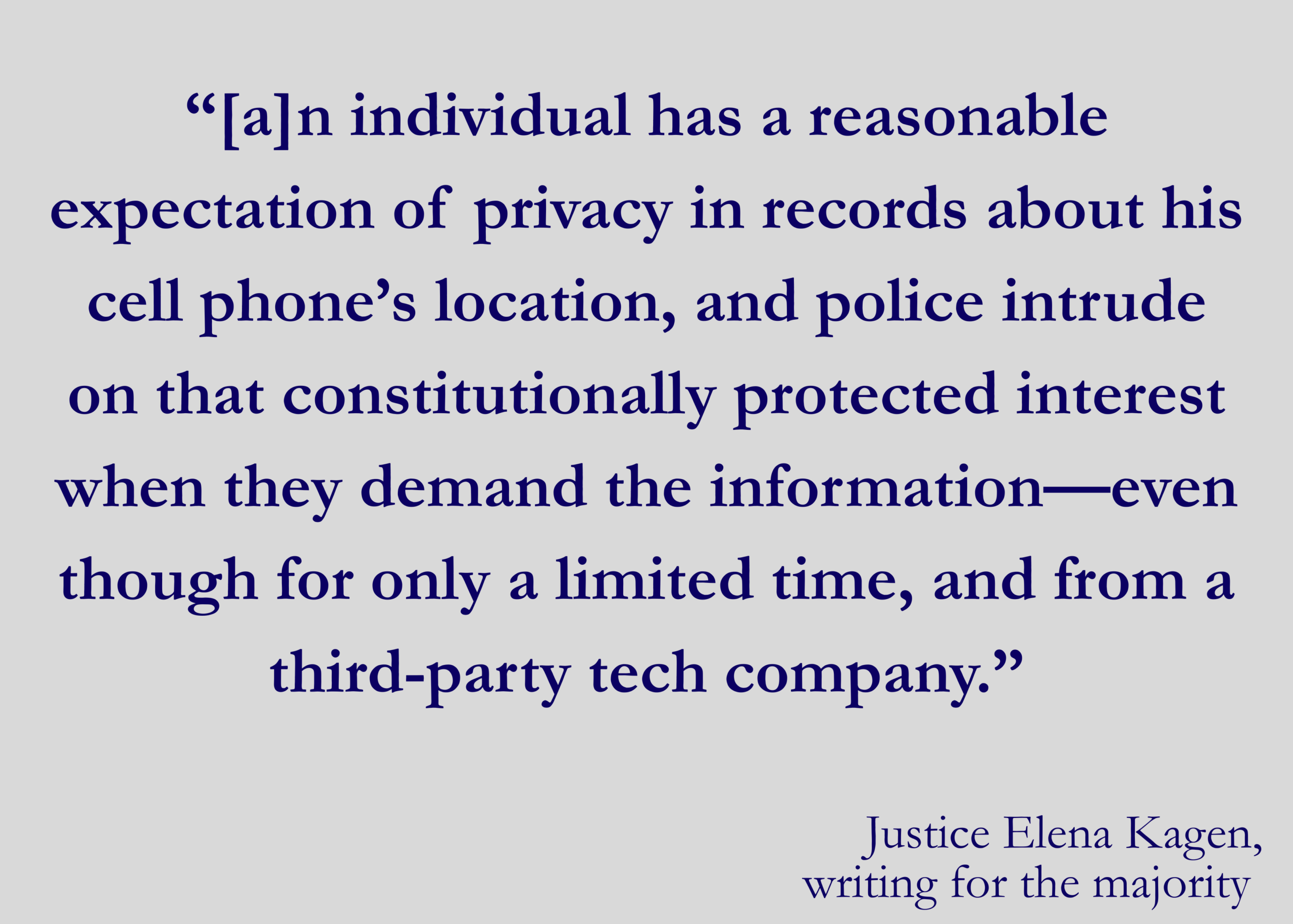
We agree to all the terms and conditions required by cell phone providers, applications, and data providers, so that we can be functioning members of society and use cell phones. As Justice Kagan stated the location data “is the automatic price of conventional cell-phone usage.” However, we are still entitled to privacy.
These types of tactics are used all the time by law enforcement to help solve various crimes. According to the SCOTUS ruling, these searches must be reasonable, limited in scope, and with probable cause, to be in compliance with the 4th Amendment. How often is our private information, including our location, provided to law enforcement by our cell phone providers?
Automatic License Plate Recognition (ALPR)
What are they and how are they used?
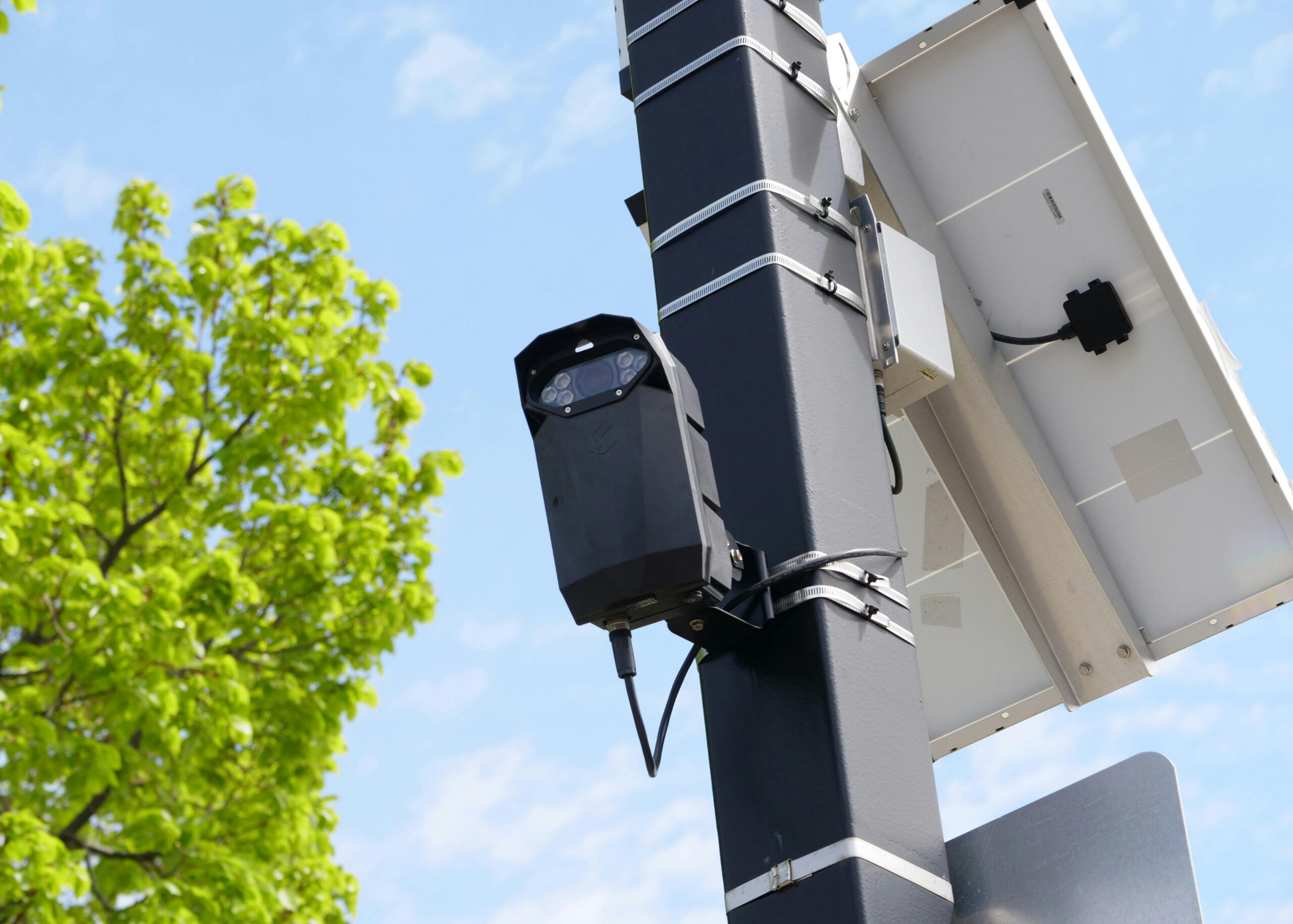
Another newer technology that is raising 4th Amendment concerns is the Automatic License Plate Reader (ALPR). As we drive throughout the region, we see those traffic cameras being installed. Sometimes we see them at busy intersections. Often, they are along the highways. They are now at every toll booth on the Pennsylvania Turnpike.
The ALPR is a high-resolution camera that uses optical character recognition (OCR) software to identify license plates. Using AI, those images are then cross-referenced against license plate databases. Those databases could include authorized vehicles, stolen vehicles, or permit lists. The ALPR systems are used by governmental entities, law enforcement, and private enterprises. In the case of the PA Turnpike, the database includes every registered vehicle and the owner’s address. If a car goes through the toll without an EZ-Pass transponder, then the ALPR will get the car’s license plate number and a toll invoice will be mailed to the vehicle owner.
In addition to license plate data, ALPRs are able to provide details of vehicles and often their drivers. As a result, police departments use these systems to assist in many aspects of law enforcement including finding stolen vehicles, locating missing persons, tracking suspects, and more. As an example, when a car with an expired registration passes a camera, police are notified about that out of registration vehicle. A local police chief described ALPR systems as the biggest breakthrough in law enforcement since DNA analysis.
However, many see drawbacks to this technology. ALPR systems have been abused by some law enforcement members in the past, when officers have stalked ex-wives or girlfriends. In addition, the programs are not infallible. With the new PA Let Freedom Ring license plates, the ALPRs are having trouble distinguishing between a zero with a slash through it and the number eight. As a result, many tolls or fines are being sent to the wrong people.
Surveillance State?
Similar to the cell phone location data sharing, many believe that the use of ALPRs is a violation of our right to privacy of location. The themes of George Orwell’s “1984” or the idea of Skynet from the “Terminator” franchise are becoming our modern-day reality. Some are fighting back, like vigilantes against the surveillance state, by destroying the mounted ALPR cameras.
Although the actions make a statement, perpetrators are being charged with various crimes including destruction of property. It’s become so prevalent that internet comedian and freedom lover, JP Sears, created a video about the issue as seen below.
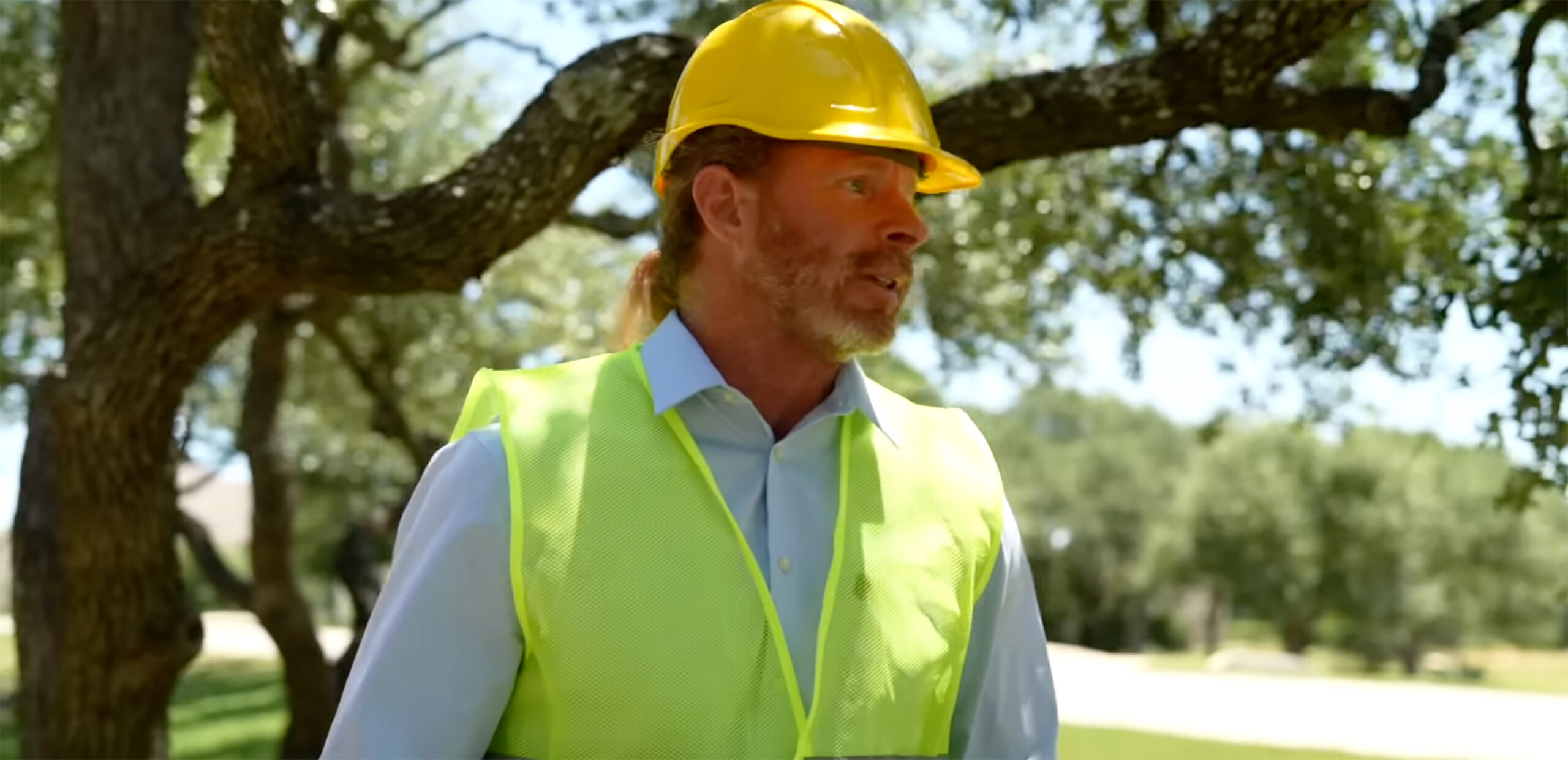
There are many ALPR system vendors, including Motorola Solutions, Axon, and Rekor, but Flock Safety seems to be most well-known. Critics of the systems have posted information about ALPR cameras and maps with their locations on various sites, including deflock.org.
Bottom line…
To date, SCOTUS has not taken a 4th Amendment case regarding ALPR systems. The highest a case has reached is the Federal Circuit Court, where in 2020 the 9th Circuit Court of Appeals ruled in United States vs. Yang that the defendant had no reasonable expectation of privacy in information captured by ALPR cameras. This is the prevailing court opinion to date on the matter. However, given the recent SCOTUS ruling on geofence warrants and given the public outcry on the number of cameras surveilling our communities, we may see an ALPR/4th Amendment case before SCOTUS in the next year or two.
We often believe that our right to privacy is given away for the convenience of participating in this everchanging technological society. However, the framers of our Bill of Rights empowered the American people with the right to protect themselves, their homes, and their possessions from government intrusion without a warrant. If we give away that right, we are no longer a free society
As the Constitutional Convention ended in 1787, Benjamin Franklin was asked if the delegates produced a monarchy or a republic. Franklin replied, “A republic, if you can keep it.”
We are trying to keep this republic that we love and hold our representatives accountable to the people. Join us in that mission and share this Update with your contacts!