Most Small Businesses Will Be Unable to Compete for County Contracts

Many counties and municipalities throughout Pennsylvania have codified the use of union labor for county or township projects. Chester County may just be the most recent to do so. A Responsible Contractor Ordinance (RCO) or resolution essentially provides hiring guidelines and standards to bidders for all project work to be completed by the county or municipality. In theory, it is reasonable for them to try to ensure that the personnel used by contractors are competent and that the contractor has sufficient resources to complete the project. However, many of these ordinances and resolutions all but guarantee the use of union labor, which seems discriminatory. How can they be legal? Why are these at issue now?
Are These Ordinances Legal?

Associated Builders and Contractors (ABC) is a national trade association that supports merit shop, not union, contractors in the construction industry. ABC and affiliated contractors sued multiple municipalities regarding RCOs on the basis that the required Class A Apprenticeship Programs violated the 14th Amendment’ Equal Protection Clause. Almost all union contractors participate in the aforementioned program, but non-union contractors usually acquire the needed skills through merit based training. The United States Court of Appeals for the Third Circuit ruled against ABC’s claims, which effectively gave the green light to any municipality implementing a RCO.
PA Governor’s Executive Order
Project Labor Agreements (PLA) can be used by private and public entities between contractors and laborers. They are a collective bargaining agreement that determines the terms of employment and are often associated with unions. PLAs are similar to RCOs and often require the same skill levels. However, the PLA is a contract with skilled labor, while the RCO is a government requirement to have skilled labor used on a project.
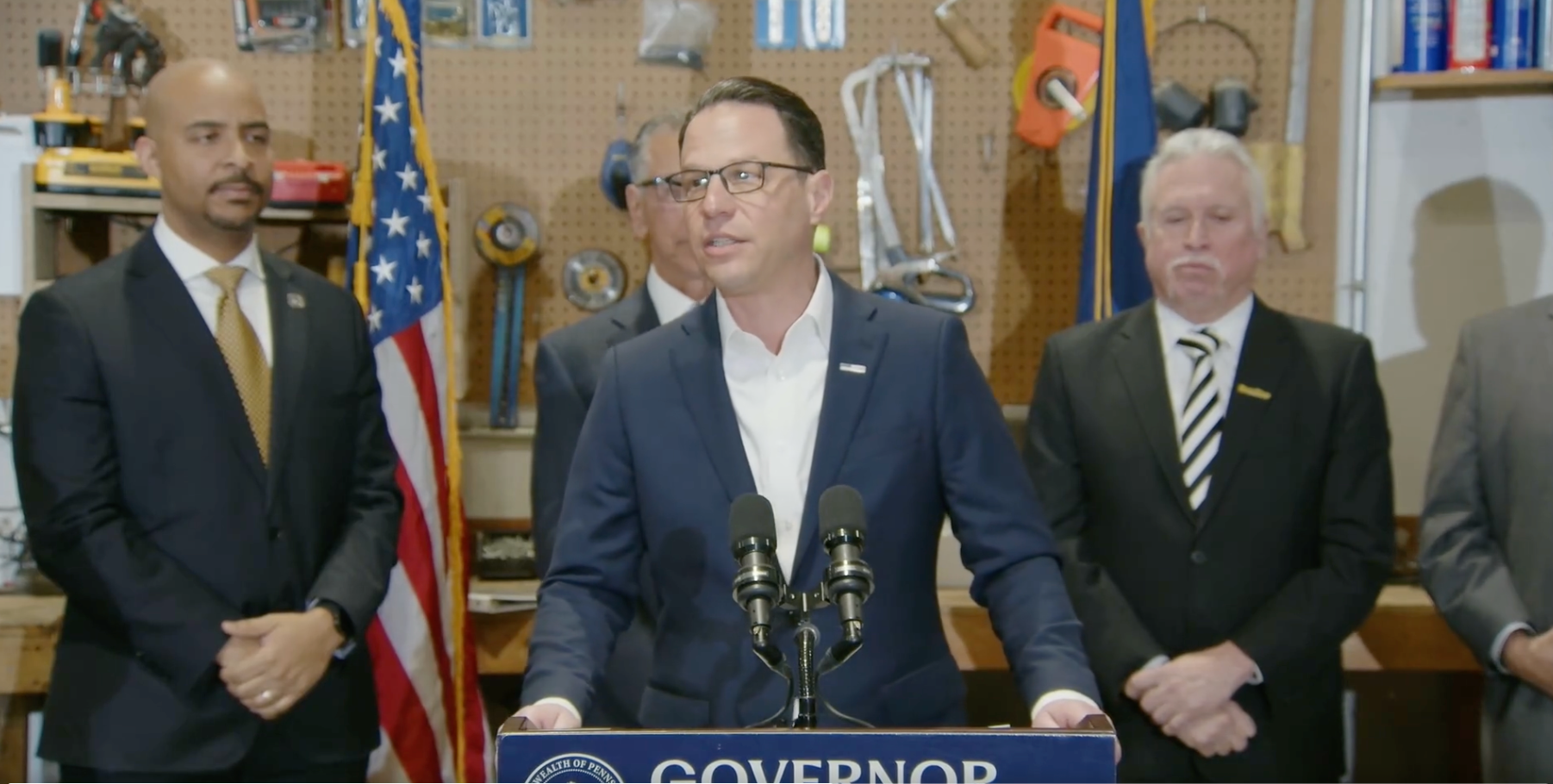
On March 27, 2024, Governor Josh Shapiro appeared at a union labor training facility to announce an Executive Order for all Commonwealth agencies to evaluate and implement the use of PLAs where possible as of April 1, 2024. He specifically requires the use of PLAs whenever “a project is urgent, complex, or there is a lack of available qualified labor to work on project.” If agencies determine that a project meets those requirements, then PLAs will be used. The Governor indicated that he would like the use of PLAs enshrined into Pennsylvania law to help build more skilled labor. He clearly believes the only skilled labor available is through union training shops. The Governor’s comments start at the 17:00 mark of this broadcast.
Chester County Resolution Requirements
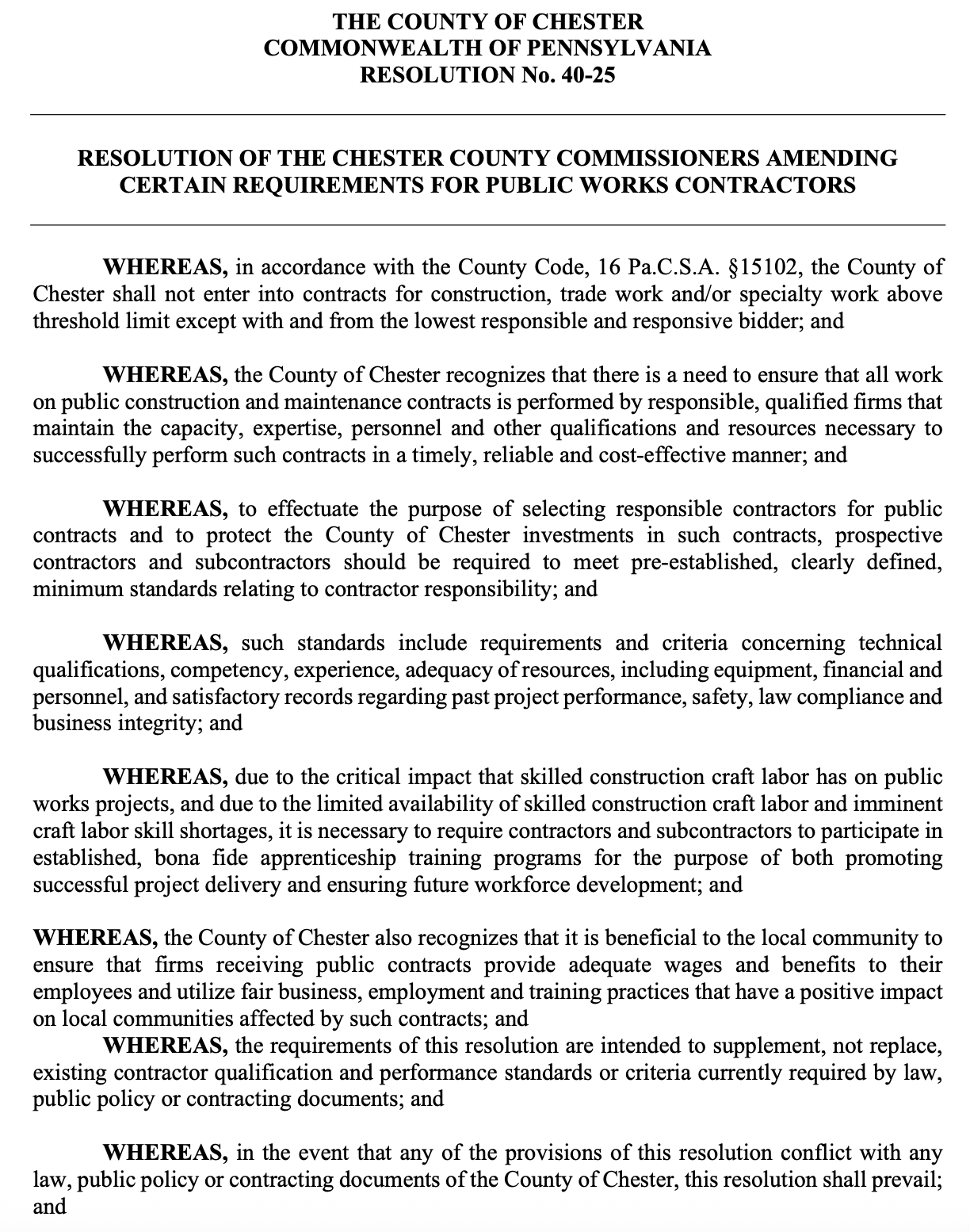
On Wednesday, July 23, 2025 the Chester County Commissioners met to discuss multiple resolutions at their monthly session. According to Commissioner Maxwell, the Responsible Contractor Resolution, Resolution BOC 40-25 (the full version can be found in the Agenda packet here), is not binding as an ordinance would be. The resolution is just a “suggestion.” Specifically, the resolution requires:
- Contractors to have specific hiring standards for any county project with an estimated cost of $350,000 or more;
- “70 percent of the craft labor workers employed on the project shall be comprised of either journeyperson workers who have successfully completed a Class A Apprenticeship Program…or apprentices registered in such programs”;
- 25% must reside in Chester County.
The resolution sparked multiple public comments in opposition and requesting the board to collect additional information prior to a vote. Dennis Campbell, from Associated Builders and Contractors (ABC) asked for delay in the vote so they could have a conversation to discuss objections. He described ABC as a merit shop of non-union contractors, and he informed the board that 90% of the construction workforce is non-union. He explained that small businesses will be unable to compete in bidding for county contracts.
Similarly, Emily Pincus from Pincus Elevator Company explained that this resolution will disproportionately impact minority and family owned businesses. In order to meet the Class A Apprenticeship Program the resolution requires, a business would need to have four mechanics for every one apprentice. A small business trying to compete would not be able to absorb those additional personnel costs.
While the 25% goal of using local labor is laudable, it is clearly unattainable if 90% of the Chester County labor workforce will not be able to be hired because of apprenticeship requirements.
Resolution BOC 40-25 passed with a 2-1 vote.
Bottom line…
Trade unions are the obvious beneficiary of these Responsible Contractor Ordinances or Resolutions. Most small businesses will be unable to compete for these county contracts due to the nature of the apprenticeship requirements. RCOs are in place or being put in place throughout Pennsylvania in counties, cities, and townships. Shouldn’t municipalities be able to ensure quality and timely workmanship without excluding our small businesses? Family-owned businesses are the lifeblood of our country and our community. When it’s time to elect local leaders, we need to choose people who will act in support of small businesses rather than line the pockets of a select few.
Please share this information with friends, neighbors, and contacts!
As the Constitutional Convention ended in 1787, Benjamin Franklin was asked if the delegates produced a monarchy or a republic. Franklin replied, “A republic, if you can keep it.”
We are trying to keep this republic that we love and hold our representatives accountable to the people. Join us in that mission and share this Update with your contacts!