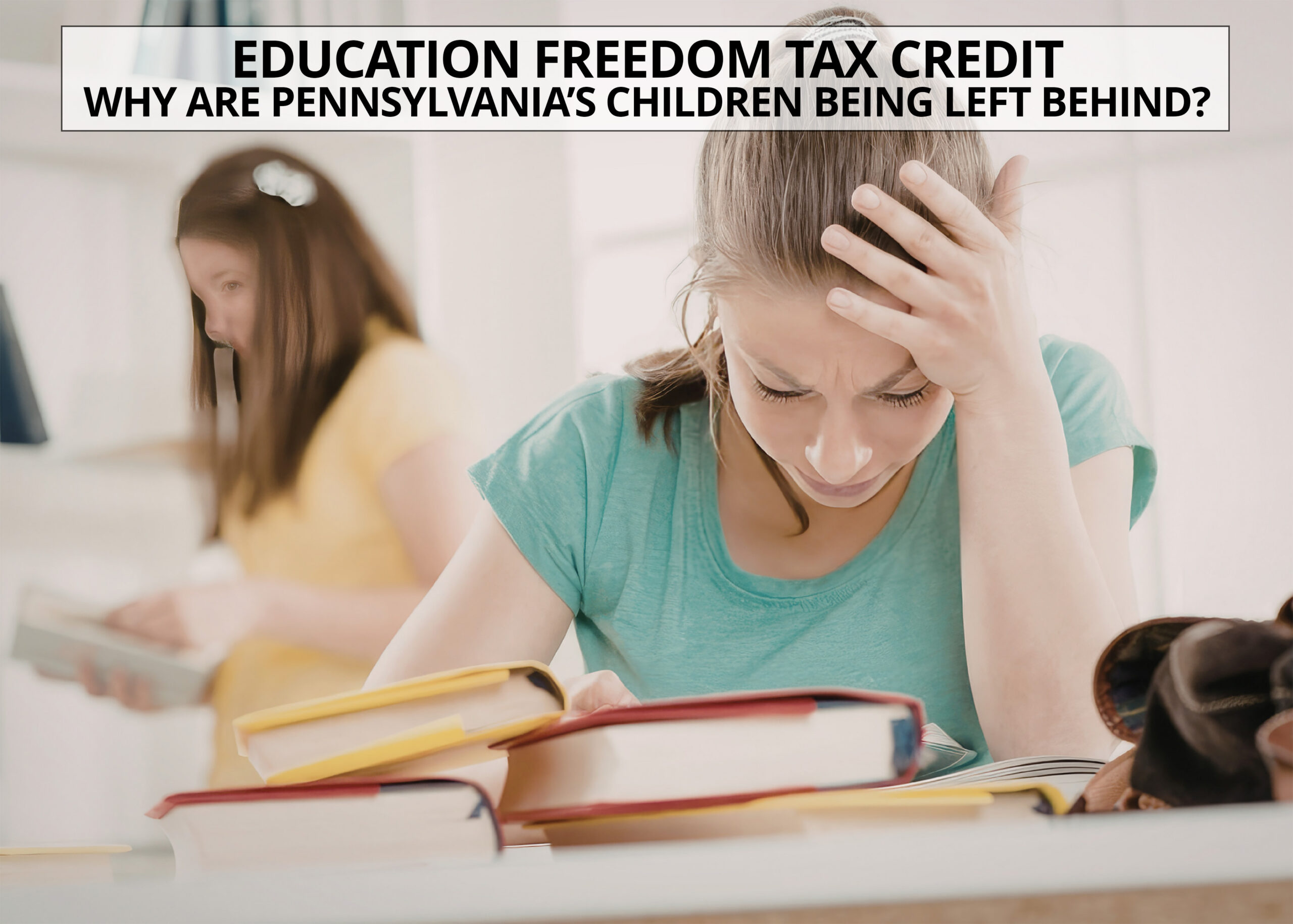
2025 Keystone/PSSA Results
Pennsylvania recently released the results of the statewide educational standardized testing. The Keystone Exam is an end of course test provided to 11th grade students in the subjects of Algebra I, Biology, and Literature. The Pennsylvania System of School Assessment (PSSA) is administered annually to students in grades 3 through 8 in the areas of English Language Arts and Math. We are providing the results to you as we ask some questions. Is the increase in state educational spending making an impact on the educational outcomes? Are there other initiatives, besides more funding, that could be beneficial to student learning?
Education Funding and the Results
The 2024-2025 Pennsylvania budget apportioned 38.2% or $18.19 billion toward education funding. That was an increase of almost $1 billion from the prior fiscal year. With the newly passed 2025-2026 Pennsylvania budget, education funding will receive an additional $900 million in this fiscal year. Are tax payers getting their money’s worth with the PA public education system?
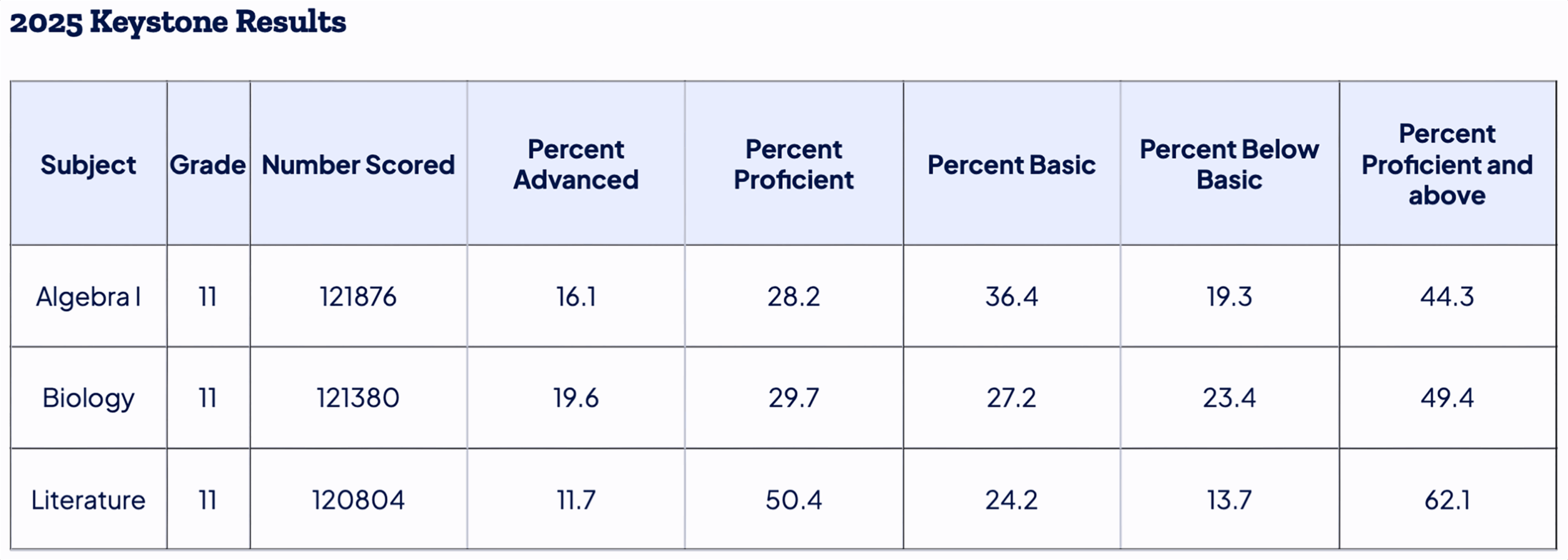
Listed below are the results of the 2025 Keystone Exams. At the end of the courses, fewer than half the students tested were proficient in Algebra I and Biology. More than 50% did not satisfactorily learn the material. Students did a little better in Literature, with 62.1% being proficient or above. If students are not proficient in the subject at the end of the course, are teachers failing them? Do they have to retake the class? Does it impact graduation? NO, NO, NO!
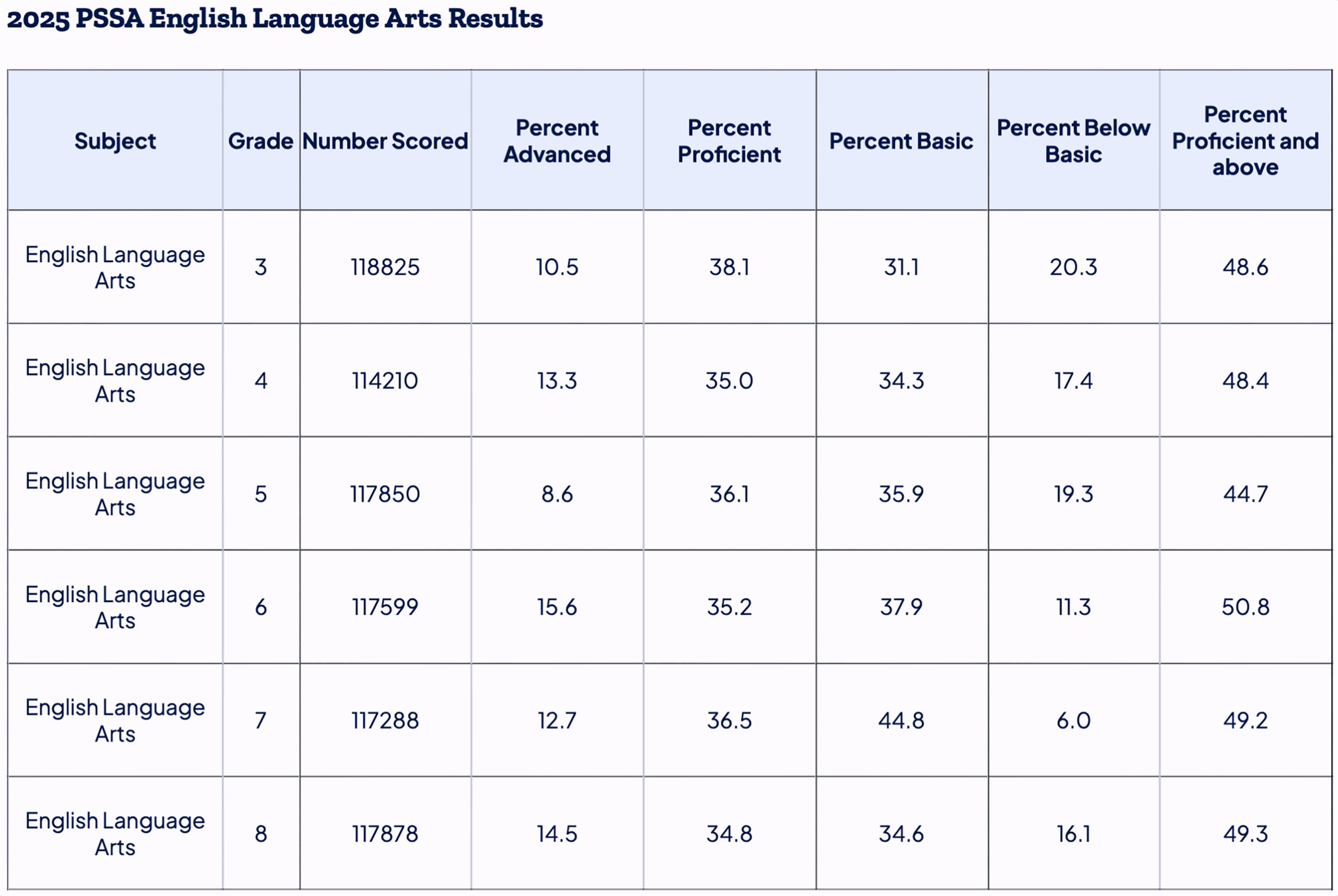
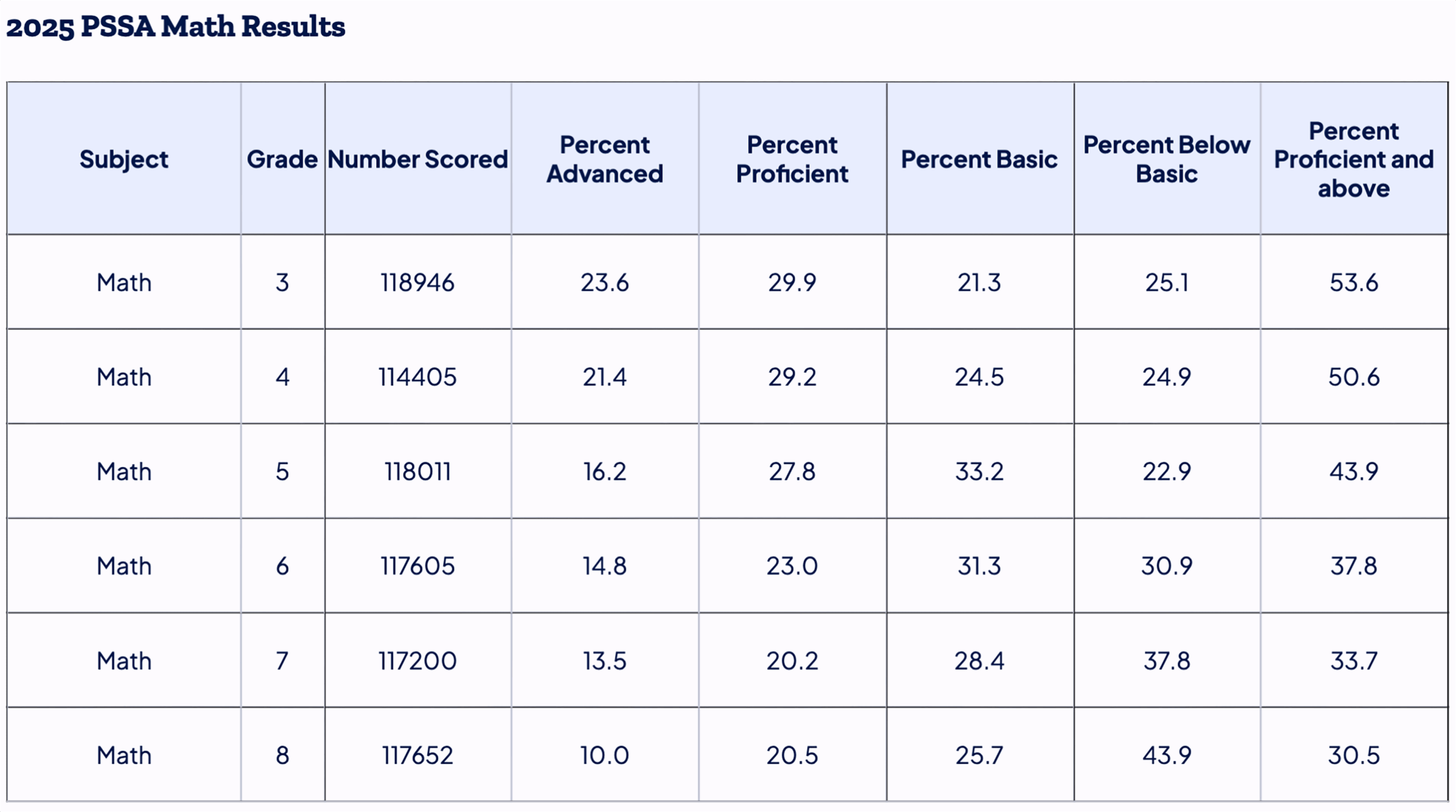
Next, we look at the PSSA results for 2025 for English Language Arts and Math by grade level. Again, we see the percentage of students who were proficient or above in both English and Math hover around the 50% mark. However, the math skills of students decline precipitously in the middle school grades, ending at 30% proficiency by 8th grade.
Taking into account all grades the average proficiency and above results for each subject is:
English Language Arts: 48.5%
Math: 41.7%
That extra $1 billion in the 2024-2025 PA budget helped to boost the overall math proficiency by 1.7 percentage points but English proficiency actually dropped by 4.5 points.
What added benefit will this year’s $900 million bring to students?
Common Sense Solutions
Cell Phone Restrictions

Most children in middle and high school have cell phones. Parents can cite safety/emergencies, accessibility/communication, and entertainment as primary reasons for their children to have phones, but sometimes it’s simply a matter of peer pressure. The average age of a Pennsylvania child who receives a cell phone is 10 1/2 years old. Pre-teens and adolescents aren’t known for having great judgement, restraint, or discipline. Once those gadgets are in their hands, it’s almost impossible for children to put them down, including at school. However, that is exactly what is being suggested by PA State Senator Devlin Robinson.
Between the decrease in academic proficiency and the increased mental health issues arising in students, Sen. Robinson introduced Sen. Bill 1014, known as the Phone Free Schools Bill. Cell phones are already prohibited from being used or even accessed during the school day without specific permission at several private schools in the region, including The Agnes Irwin School, Malvern Preparatory School, and Germantown Academy. Although their policies differ slightly, the goal is the same – limit the distraction to learning that cell phones cause. This bill, which has bipartisan support, would legislate this same common sense approach to learning that is already successful in many private schools.
School Choice
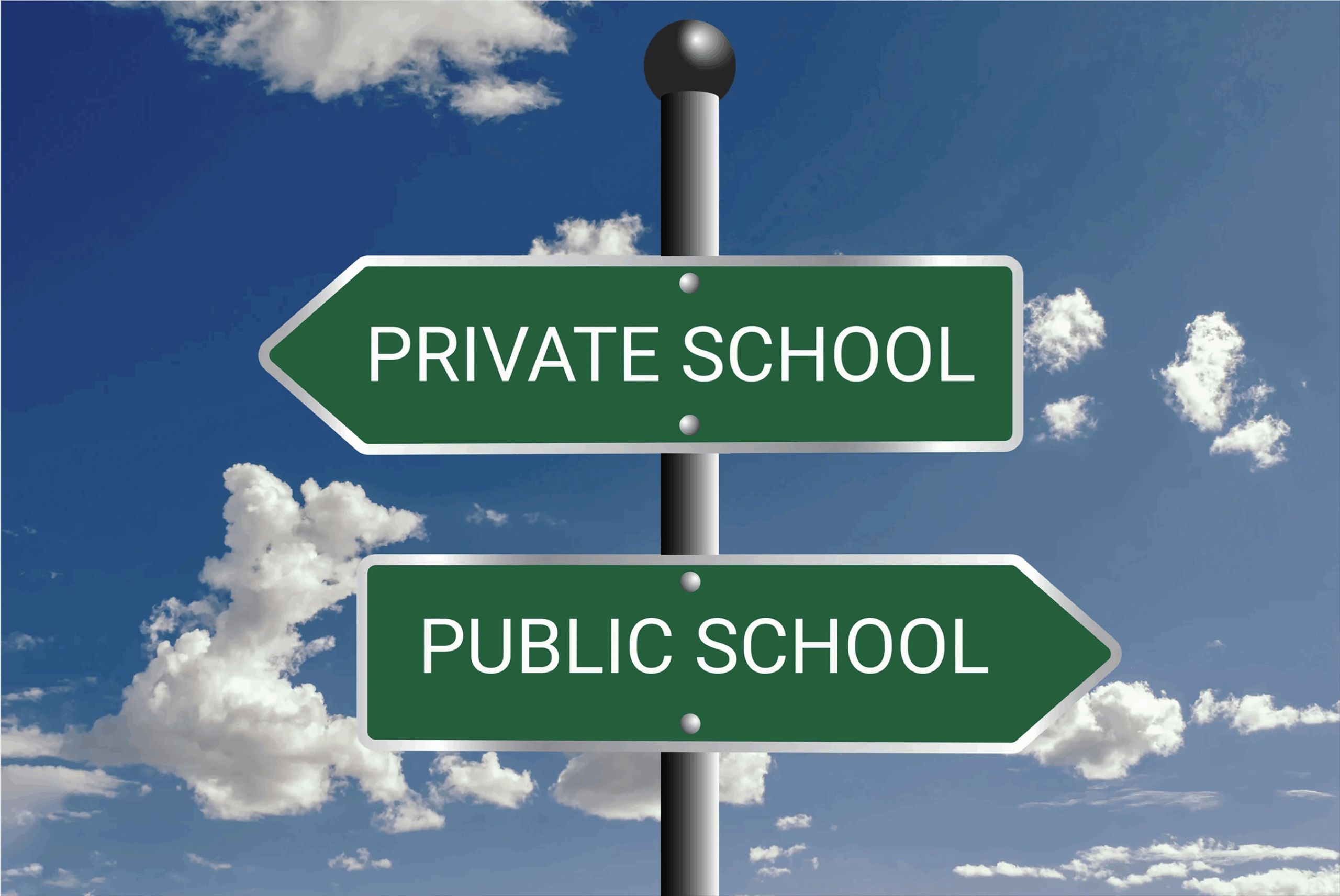
The idea that parents with children in the lowest performing schools should be able to choose a different/better educational environment for their children is not a new concept. Legislators in Pennsylvania have tried to amend the Public School Code in various ways that would allow parent to make such choices. However, none of the legislative efforts have succeeded to date.
Senate Bill 10, the Pennsylvania Award for Student Success Scholarship Program, which was introduced by Sen. Judy Ward and has bipartisan support, was tabled once it was approved out of the Education Committee. This school voucher program is exactly what Josh Shapiro promised to support as he campaigned for Governor. However, he hasn’t pushed the legislature to actually get it done.
Bottom line…
The education system in Pennsylvania is failing our children. Federal, state, and local tax money has been thrown at the problem for years but with little impact. When will our representatives learn that it’s not about the money? Sen. Robinson’s common sense legislation is a start to thinking outside of the money box. We need more of that kind of action before it’s too late for our children!
As the Constitutional Convention ended in 1787, Benjamin Franklin was asked if the delegates produced a monarchy or a republic. Franklin replied, “A republic, if you can keep it.”
We are trying to keep this republic that we love and hold our representatives accountable to the people. Join us in that mission and share this Update with your contacts!