
Stemming Discrimination or Pushing Social Justice?

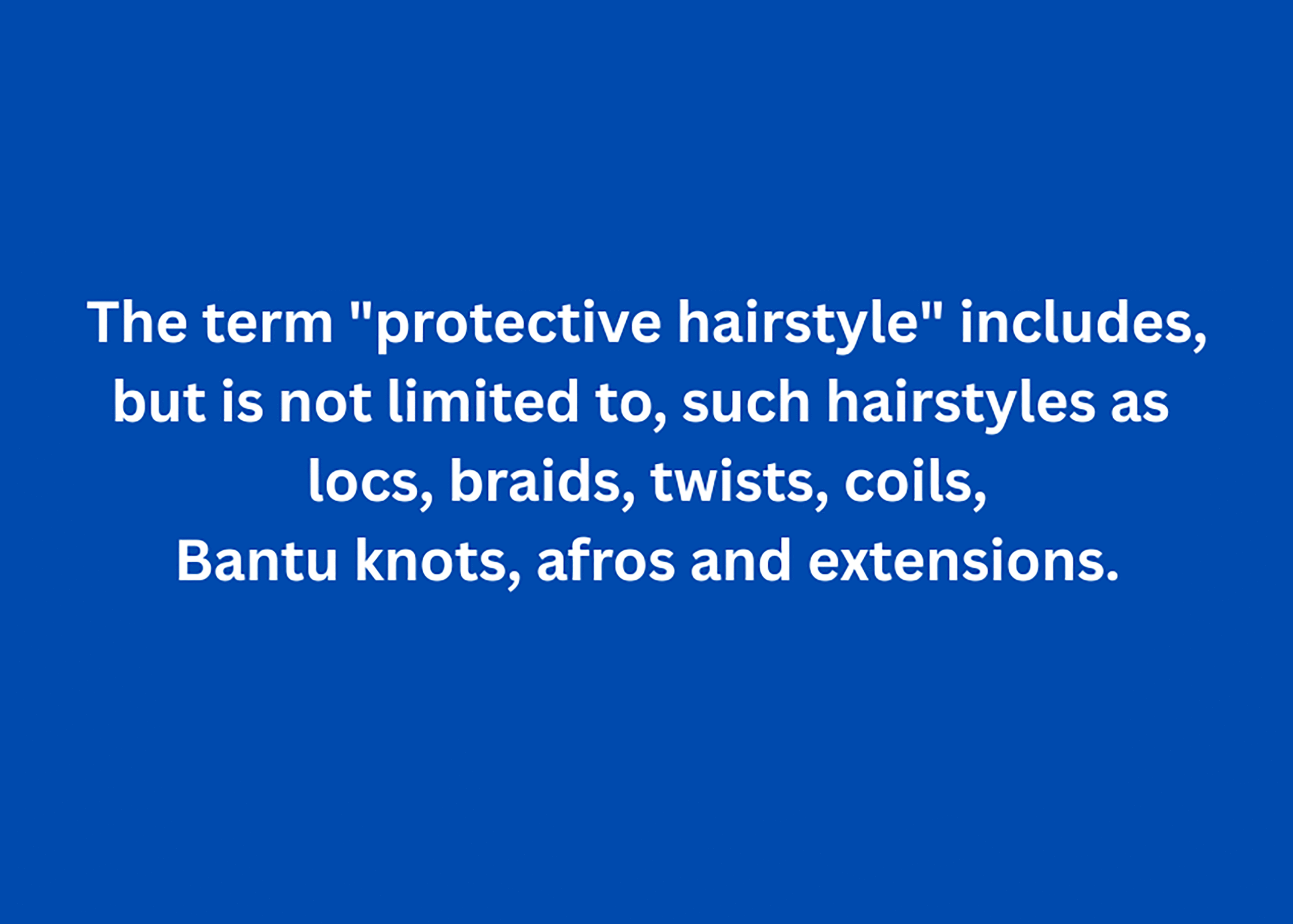
On Tuesday, November 25, 2025, Pennsylvania Governor Josh Shapiro signed into law House Bill 439, titled the Creating a Respectful and Open World for Natural Hair, or CROWN Act. The CROWN Act amends the Pennsylvania Human Relations Act of 1955, which prohibits discrimination along the same lines as the Equal Protection Clause interpretations of the 14th Amendment to the U.S. Constitution. The act updates the term “race” to include “traits historically associated with the individual’s race, including hair texture and protected hairstyles.” Additionally, the term “religious creed” now includes head coverings and hairstyles associated with specific religions.
How many Pennsylvanians are being targeted or discriminated against for their hair in the workplace, in housing, or in educational settings? Has the Pennsylvania Human Relations Commission (PHRC) received many complaints about hair discrimination? Can the case be made that by protecting specific race-based traits the legislation has discriminated against other races?
Origins of the CROWN Act
According to Governor Shapiro’s Press Office, the origin of the CROWN Act stems from the PHRC which reported that 916 people filed complaints in 2022 over hair texture and hairstyles. The PHRC 2022 Annual Report breaks down complaints based on different classes including ancestry, national origin, race, etc. Below is a list of all complaints filed in 2022 for the applicable classes
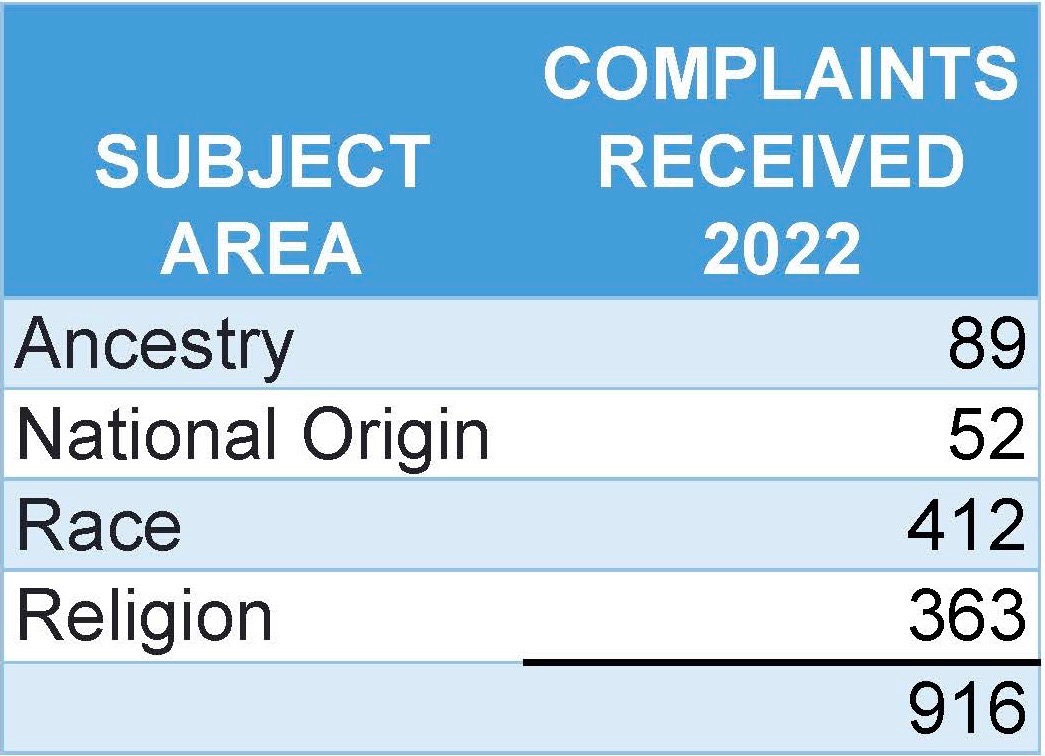
Governor Shapiro wants us to believe that ALL 916 complaints from these areas were filed because of discrimination over hair texture, style, or head covering? Asians, Puerto Ricans, Caucasians, and Christians were part of those 916 filed complaints in 2022. Those groups don’t have “protective hairstyles” or head coverings, so they may be surprised that their discrimination complaints were wrongly characterized as hair discrimination.
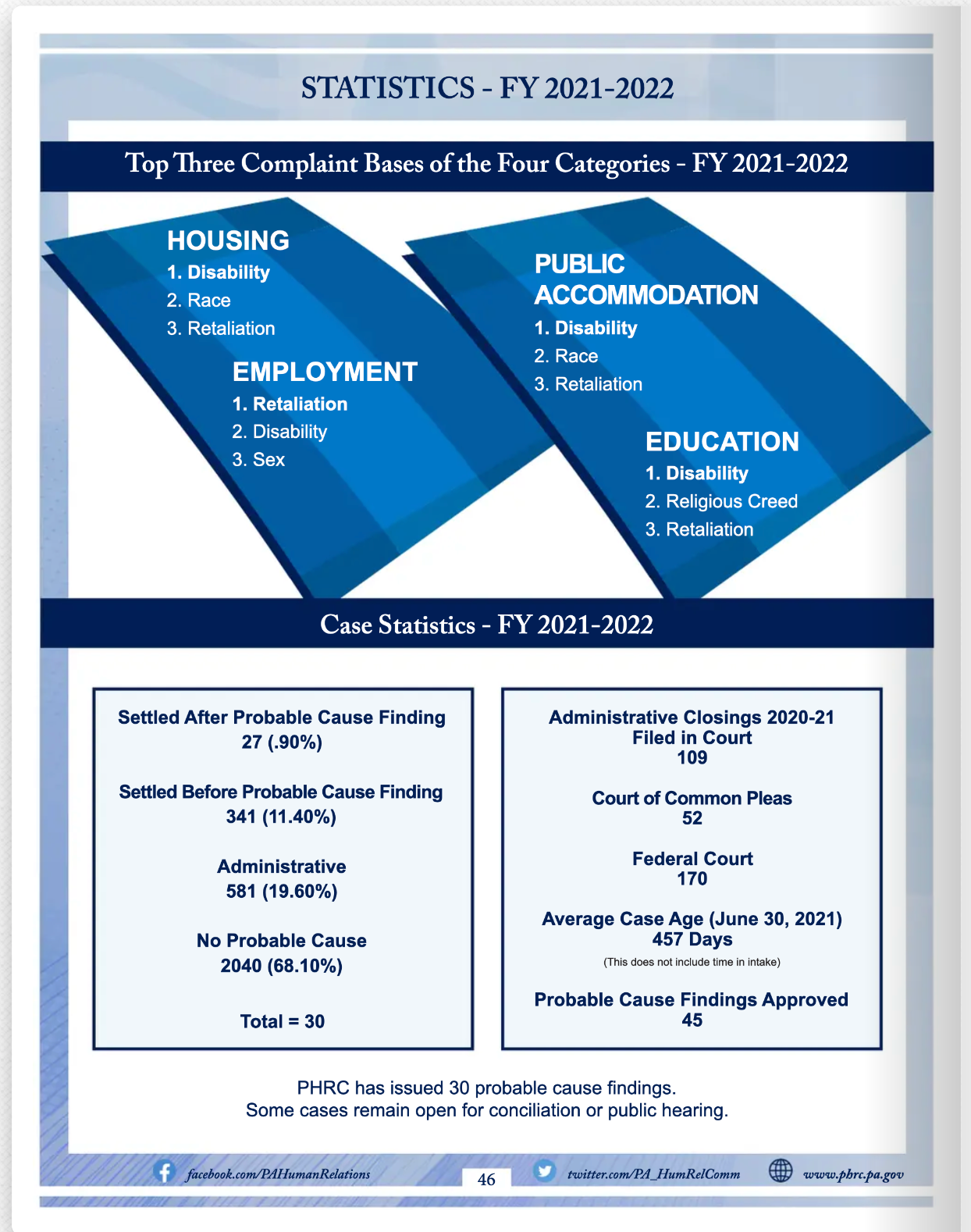
As shown below, the PHRC 2022 Annual Report also indicates that 68% of all discrimination complaints filed were found to have No Probable Cause or to be baseless. This further diminishes the legitimacy of the need for legislation to protect against hair discrimination.
Discrimination or Social Justice?
The PHRC Annual Reports from 2023 and 2024 seem to contain similar data as the 2022 report. Besides the structure and leadership of the organization, the reports focus on the social justice committees and diversity, equity and inclusion initiatives, which include trainings, lectures, and conferences. In October 2021, the PHRC held a conference “to address and bring awareness to hair bias and discrimination in PA.” This was undoubtedly the catalyst for the CROWN Act in the PA legislature.
The annual reports contain instructional information about Islamophobia and Antisemitism, yet 78% of the religion-based discrimination complaints in 2022 were from Christians. The information page on Christian discrimination must have been in a prior year’s report.
Is the PHRC emphasizing issues impacting a small fraction of people in order to push a social justice agenda which demands more taxpayer dollars? Are Pennsylvanians being gaslit to believe that discrimination is the cause of all negative outcomes with employment, education, or housing, when in fact other factors like qualifications, behavior, or performance could be the real issues?
Bottom line…
Discrimination exists and people should have recourse when impacted by it. However, we expect our legislators to enact laws based on facts and the needs of the majority of the citizens. The CROWN Act was sold to Pennsylvanians as a measure needed because hundreds of people in one year were discriminated against because of their hair. Perhaps there were several cases of it, but did it rise to the level of needing legislation? Is this where our elected officials should be spending time? Perhaps we should contact our representatives regarding additional potential discrimination. According to World Population Review, 42.68% of men in the United States suffer from male pattern baldness mostly attributable to European genetic history, i.e. white males. Will the CROWN Act be amended to include baldness as a discriminatory factor? We have our doubts!
As the Constitutional Convention ended in 1787, Benjamin Franklin was asked if the delegates produced a monarchy or a republic. Franklin replied, “A republic, if you can keep it.”
We are trying to keep this republic that we love and hold our representatives accountable to the people. Join us in that mission and share this Update with your contacts!