What are the next steps?

The Pennsylvania fiscal year runs from July 1 through June 30. However, we are four months into the fiscal year without a state budget! What’s the hold up? Who is being impacted? What are the next steps?
What’s the hold up?
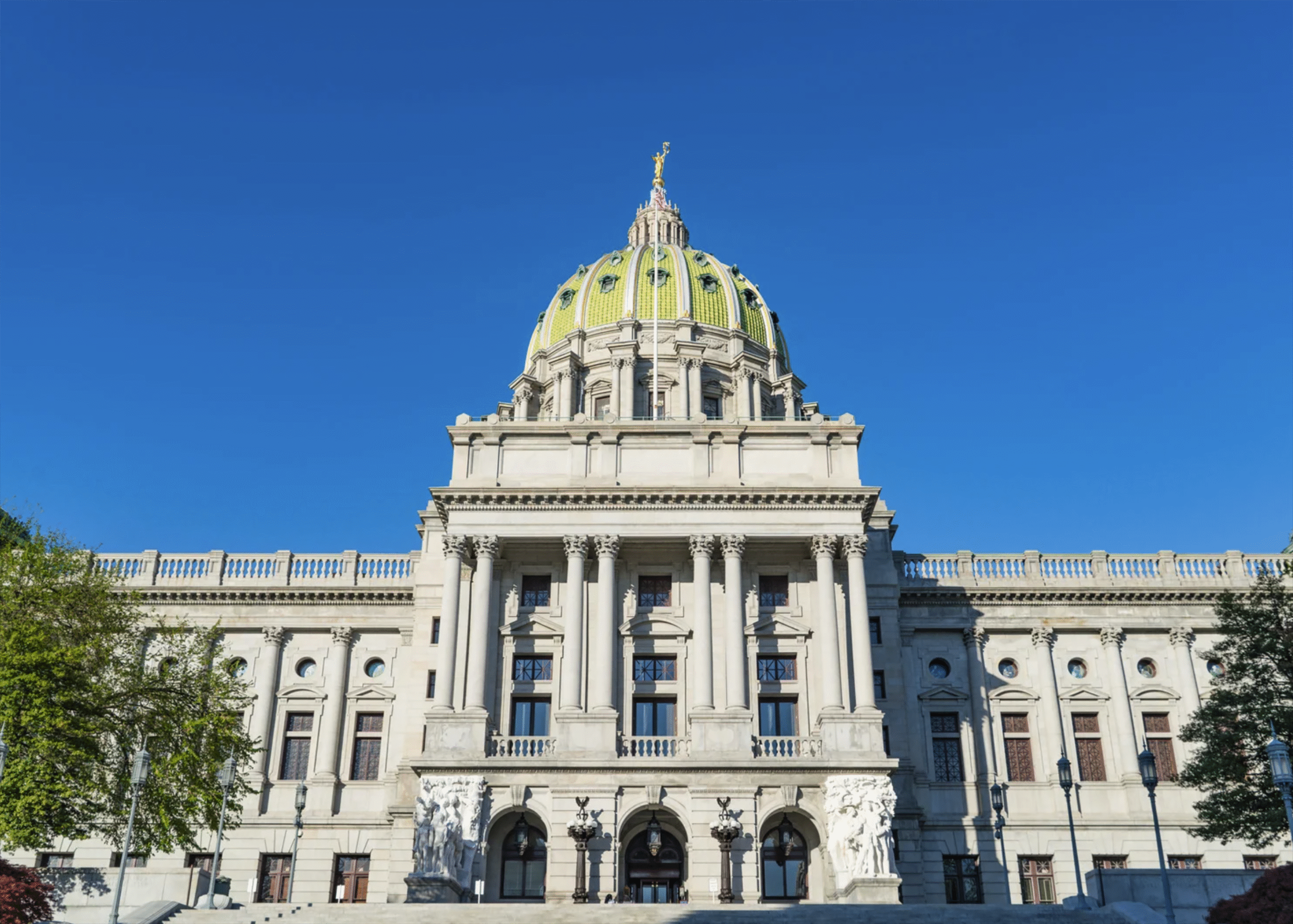
Pennsylvania has a divided government in the legislature with Republicans holding the majority in the State Senate (27-23) and Democrats holding a slim majority (102-101) in the State House. Governor Shapiro’s budget plan increased Pennsylvania spending by 6% to $51.5 billion. His plan increases different taxes and transfers $1.6 billion from the Rainy Day Fund to cover the increased expenses.
The Senate Republicans are trying to hold the line on additional spending and taxes. They passed a stop-gap budget in August, Senate Bill 160, that keeps program funding flat from the prior fiscal year, which ensures payment to schools, hospitals, and service providers without increasing taxes or borrowing from reserves. It did not address funding disagreements.
The State House amended Senate Bill 160, increasing spending to $50.25 billion. This revised version of the budget passed the State House by a vote of 105 to 98, with three Republicans voting for the additional $2.65 billion in spending — Rep. Thomas Mehaffie (Dauphin County), Rep. Kathleen Thomlinson (Bucks County), and Rep. Craig Williams (Delaware & Chester Counties). Some of the changes to funding include:
- Education: $788 million
- Health & Human Services: $765 million
- Overall Spending Increase: 5.1% over 2024-2025
The bill moves back to the State Senate, which is back in session on October 10th. There are several in the Senate who are fighting back against the tax and spend budgets in prior years. Majority Leader Joe Pittman indicated that he was uncertain if the State House revised budget would pass the Senate. It’s a game of chicken with taxpayers as potential roadkill!
Who is Being Impacted by the Impasse?
Without a budget, all discretionary spending stops. Debt service, pension funding, federal pass-through grants, law enforcement, and basic educational funding continues. However, counties and school districts who are dependent on state funding for special services are going unpaid or have delays in payments.
While some counties such as Westmoreland, Northampton, and Armstrong have openly discussed furloughing municipal workers, those in Southeastern Pennsylvania have not gone there yet. Southeastern counties whose fiscal budgets each included tens of millions of state dollars to help provide human services are struggling to cover those costs. If a state budget deal is not reached soon, then services may need to be cut.
School districts are really feeling the pinch due to such an overwhelming reliance on state funds in their budgets. For example, the William Penn School District had to borrow $10 million to pass a balanced budget without the state funds. Now, the district is canceling extra-curricular activities to cut costs. As more time passes without state funds, the school districts may need to cut some student services as well.
Next Steps?
On September 24, 2025, State Treasurer Stacey Garrity offered low-interest rate (4.5%) loans to Head Start providers and to county governments in need of help bridging the gap while the state budget is in flux. Although the loans are low interest, struggling entities would still have to pay that interest with funds they just don’t have. To help alleviate that burden, on October 8, 2025 the PA Senate passed Senate Bill 1040 by a 29-20 vote margin. The bill allows Treasurer Garrity to offer these short-term loans without interest, costs, or fees. That bill is now in the State House Appropriations Committee and has not been voted upon to date.
Bottom line…
The Pennsylvania state budget controversy is about your tax dollars. Any spending decided upon by the legislature and executed by the governor comes from the citizens of the commonwealth in the form of taxes, fees, tolls, etc. Every additional dollar the State House and the State Senate choose to spend has a direct impact on the taxpayer and the beneficiary. Automatic spending increases should not be assumed. However, our state representatives know that they have an unending supply of funds — your tax dollars, which they can raise whenever needed. Families often have to make hard choices with limited resources in a tough economy. Yet, many of the leaders in Pennsylvania seem unable to tighten the budget like families do? Or…are they simply not motivated to do so? They represent you, so let your state senators and representatives know where you stand on the budget! Contact information can be found here.
As the Constitutional Convention ended in 1787, Benjamin Franklin was asked if the delegates produced a monarchy or a republic. Franklin replied, “A republic, if you can keep it.”
We are trying to keep this republic that we love and hold our representatives accountable to the people. Join us in that mission and share this Update with your contacts!