Election Guidance Ignored By Counties?
On September 30, 2026 the Pennsylvania Department of State issued “Guidance Concerning Civilian Absentee and Mail-in Ballot Procedures.” The document is a combination of required procedures and best practices for counties to use when offering vote by mail services, including over-the-counter (early in person) voting, satellite offices, and ballot drop boxes.
If counties choose to offer these additional services, then this guidance informs County Election Offices of the manner in which to offer those services while complying with the PA Election Code. However, it seems some counties are taking these procedures as suggestions rather than directions. As a result, county compliance with the Election Code is in doubt. The best example of this occurs with the collection of mail-in ballots through drop boxes.
Returning Ballots Legally
According to 25 P.S. § 3150.16(a), which is Section 1306-D(a) of the Pennsylvania Election Code, titled “Voting by mail-in electors,” the proper procedure for returning a mail-in ballot is as follows:
“The elector shall then fill out, date and sign the declaration printed on such envelope. Such envelope shall then be securely sealed and the elector shall send same by mail, postage prepaid, except where franked, or deliver it in person to said county board of election.”
In 2004 when absentee ballots were the only form of mail ballots, the PA Supreme Court held In re Canvass of Absentee Ballots of November 4, 2003 General Election:
“Thus, under the statute’s plain meaning, a non-disabled absentee voter has two choices: send the ballot by mail, or deliver it in person. Third-person hand-delivery of absentee ballots is not permitted.”
Although the Election Code does not mention drop boxes, the 2020 PA Supreme Court ruling in Pennsylvania Democratic Party v. Boockvar allowed for their use for “mail-in ballots” as codified in Act 77. The court also affirmed the requirement that electors return their own ballots, unless a designated agent is needed due to disability.
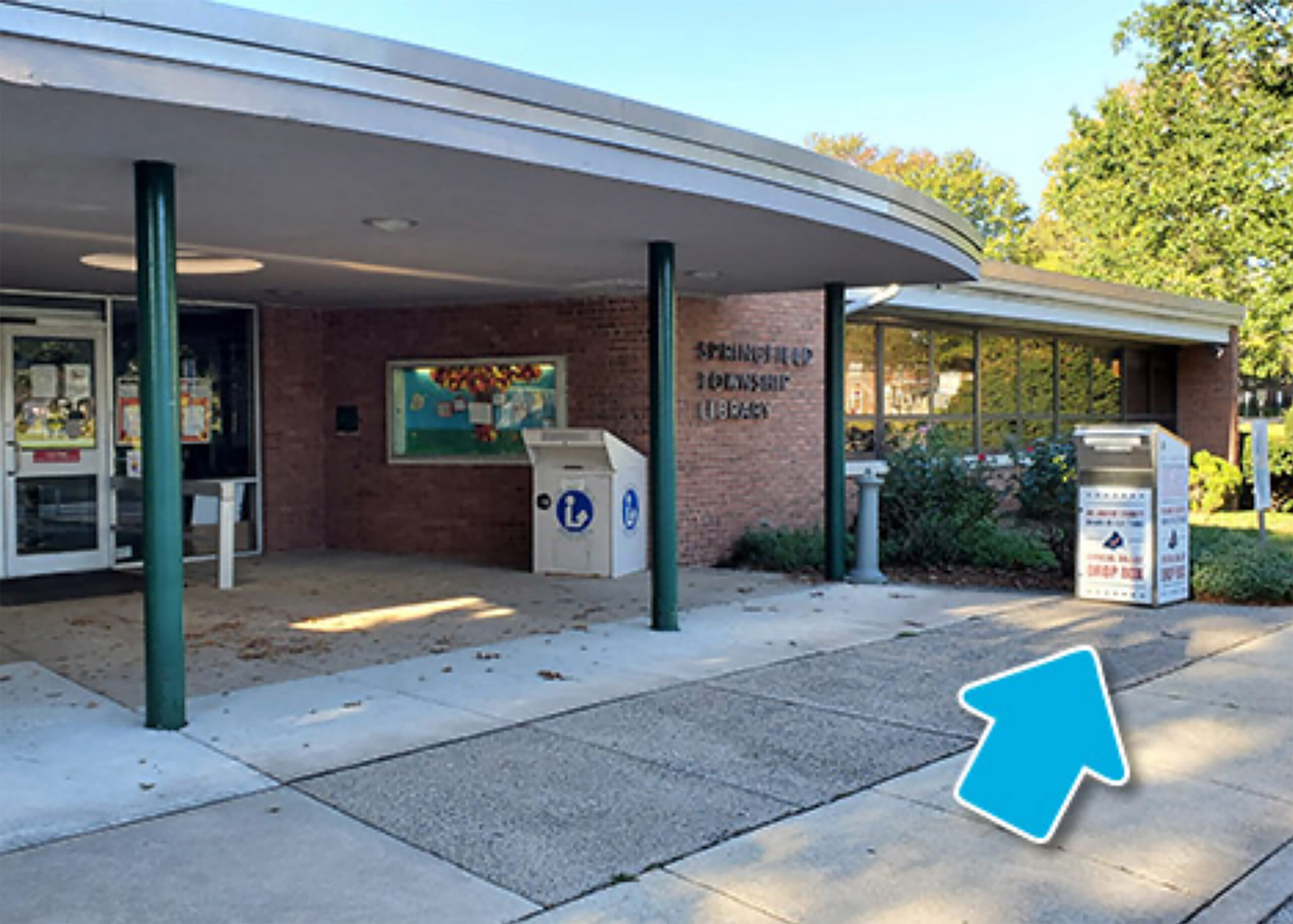
The Department of State identifies three methods for a voter to return a mail-in ballot: by mail, in person at the County Election Office (or satellite office), or in person at a county drop box (if offered). When a ballot is placed in a drop box, it is equivalent to delivering it in person to the county board of election as required by law.
Set Aside
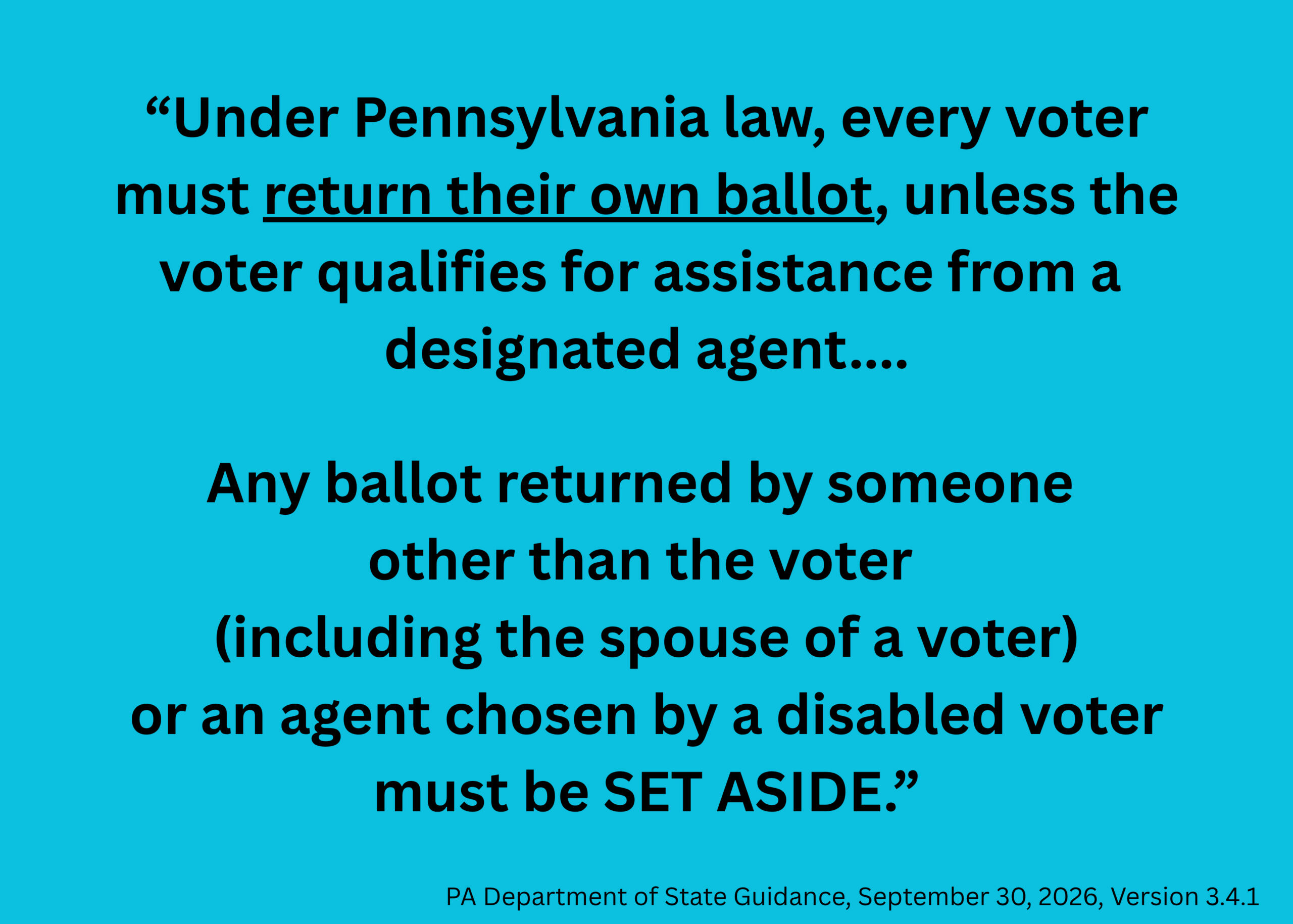
The Department of State’s guidance mimics the Election Code and Supreme Court rulings regarding the need to return one’s own ballot. The second part of the above guidance, requiring a county to “set aside” any ballot delivered by someone other than the voter or a designated agent deserves examination.
The Department of State instructs that ballots must be “set aside” for the following reasons:
- Voter is deceased as of Election Day;
- Unsigned declaration envelope (outside envelope);
- Missing inner secrecy envelope;
- Third-person delivery of ballot
The first three items are discovered in the Pre-canvass and Canvass process of reviewing mail-in ballots; however, the last item can only be identified upon delivery of the ballots. Further, in the Pre-canvass and Canvass procedures, the Department of State indicates that set aside ballots are uncounted.
“Update … the status of any absentee or mail-in ballots that are set aside uncounted using the appropriate drop-down selection for reconciliation and reporting purposes.”
Despite the timing of the setting aside of ballots, upon delivery or during the pre-canvass, the ballots that fall into those categories must not be counted. When the Election Code and PA Supreme Court writings say third-person delivery is “not permitted,” then it is a very clear indication that a ballot with an invalid delivery is not to be counted. As such, the Department of State intends as a matter of law that those ballots that are “set aside” will not be counted by counties.
County Compliance
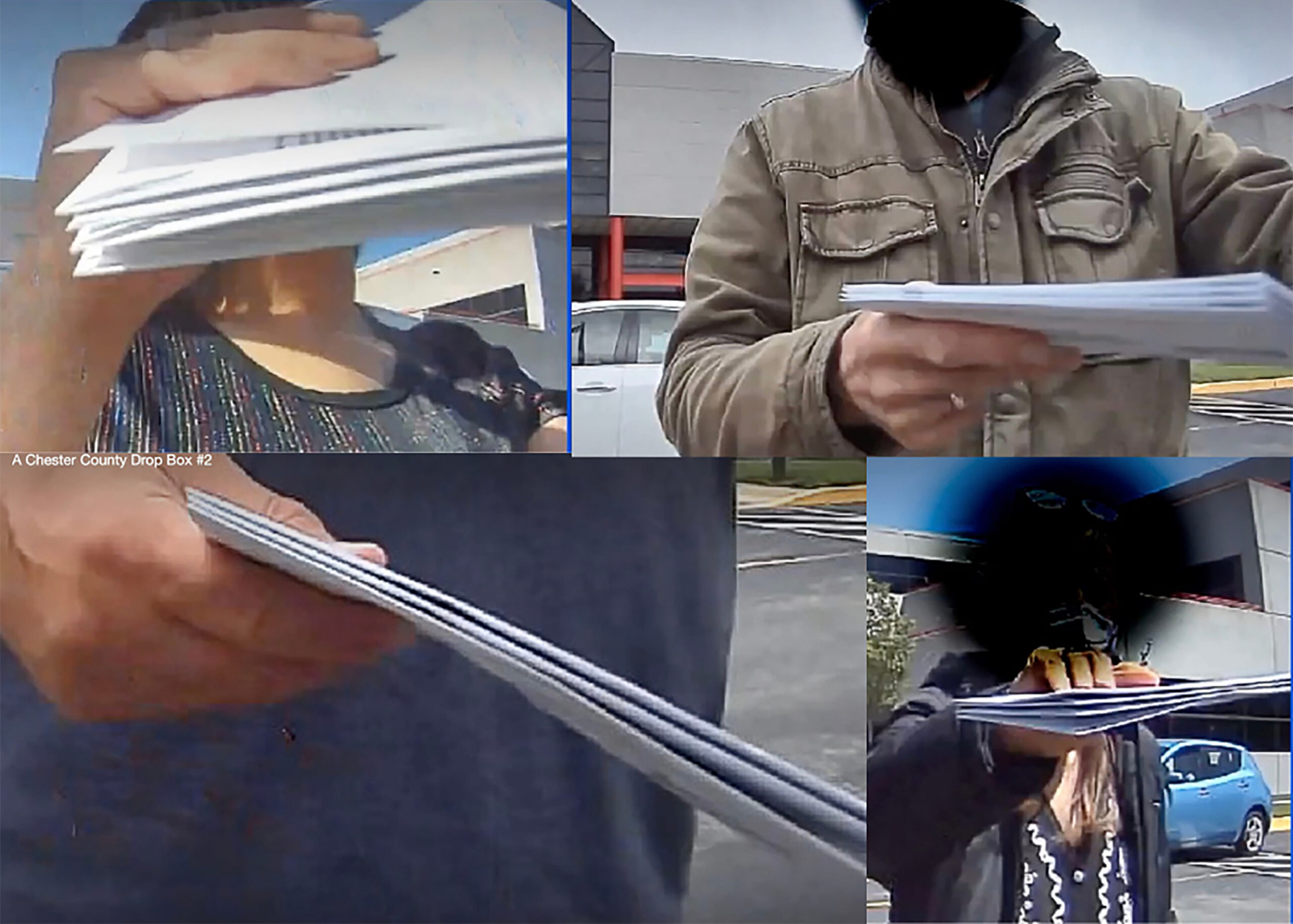
The Election Code, the PA Supreme Court, and the PA Department of State all agree that ballots must be returned by the voter who cast the ballot. By inference from the Election Code and Supreme Court rulings and stated plainly by the Department of State, with the exception of those delivered by designated agents, ballots returned by third-parties must not be counted. A look at the drop box procedures in place in southeastern Pennsylvania call into question the compliance with the Department of State guidelines by some counties.
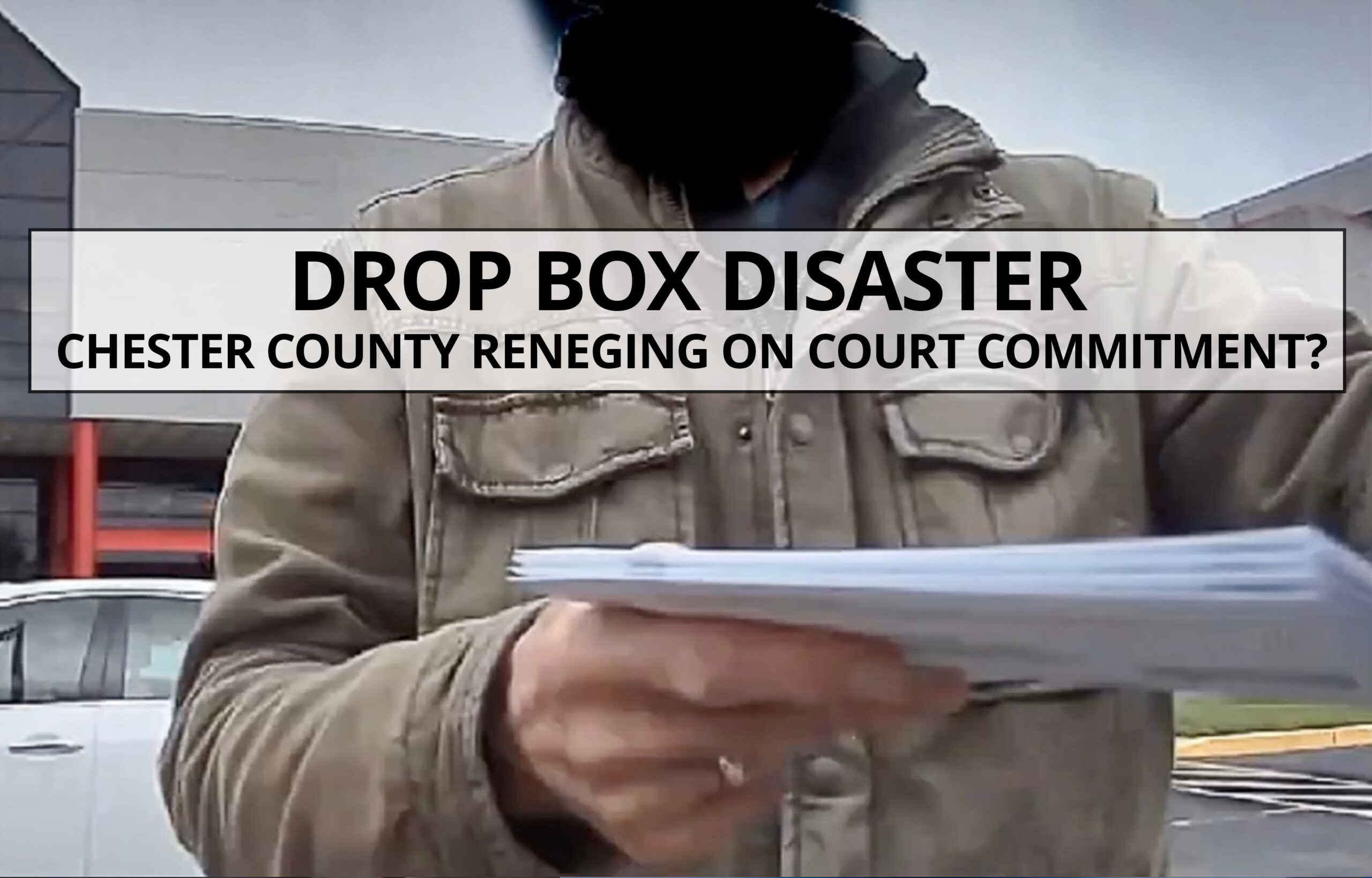
Philadelphia, Bucks, Chester, Delaware, and Montgomery Counties all provide drop boxes for constituents to use to turn in their completed ballots to the Election Offices. Bucks County staffs all their drop boxes and is the only county without drop boxes open 24 hours per day and 7 days per week (24/7). Every other county in southeastern PA has unmanned drop boxes that are open 24/7. Despite evidence showing over 300 people dropping multiple ballots in drop boxes in 2022 and an agreement to staff drop boxes going forward, Chester County recently returned to providing 24/7 unstaffed receptacles for voters.
It was already proven that people will deposit more than their own ballots in unmanned drop boxes despite instructional signage warning against doing so. With no supervision at drop boxes, people will continue to deposit more than one ballot. With no staff at drop boxes, no one is able to set aside those additional ballots – ballots that are disallowed. Once disallowed ballots are comingled with legally cast ballots, there is almost no way to remove them. If disallowed ballots are not set aside when returned, then they will be counted and lead to invalid election results.
Bottom line…
Counties have the ability to follow Department of State guidelines to ensure disallowed ballots are not counted in our elections and to uphold the law. For most counties it seems their zeal to provide increasingly unlimited access to the voting process overrides their responsibility to uphold the law and protect valid votes.
Whether by email or at the next meeting, remind your county council members and commissioners of their oath to uphold the law. Then do your part to protect our elections: volunteer as a poll watcher, drop box observer, or central scan observer. And most importantly – VOTE!
As the Constitutional Convention ended in 1787, Benjamin Franklin was asked if the delegates produced a monarchy or a republic. Franklin replied, “A republic, if you can keep it.”
We are trying to keep this republic that we love and hold our representatives accountable to the people. Join us in that mission and share this Update with your contacts!