Navigating the Department of Environmental Protection
As a consequence of the PA Supreme Court’s ruling that West Chester Borough’s stormwater management assessment is a tax to residents and businesses, questions arose regarding the origins and need for stormwater management.
Every municipality is now required to manage stormwater, or in layman’s terms – rain, and its impact on the environment based on the PA Department of Environmental Protection (DEP) and the PA Clean Streams Law. The purpose of the law is to protect Pennsylvania water from pollution from industrial, agricultural, or municipal waste. Has the execution of the law strayed from its purpose? Who decides if remediation of a stream is required? How much is this management costing taxpayers?
Jurisdiction
The Clean Water Act is the federal law enacted in 1972 with the purpose of cleaning U.S. waterways and maintaining the quality of the water. It authorized the Environmental Protection Agency (EPA) to establish programs to carry out the Act’s goals. The Clean Water Act requires states to set standards for water quality.
In Pennsylvania, the agency that sets water standards in accordance with federal requirements is the DEP. The same agency also monitors and enforces those standards by authority of the PA Clean Streams Law.
Citing the Clean Water Act, the DEP claims jurisdiction over every above and below ground waterway in the commonwealth, including those contained solely on private property. These include, rivers, streams, creeks, ponds, springs, ditches, etc. If a waterway fails to meet the DEP’s designated use standards such as supporting aquatic life, recreation, or drinking water, then it is considered “impaired.”
Although soil may not be contaminated with chemicals or waste products, it can be considered a pollutant according to the EPA and DEP. If soil enters waterways through erosion or runoff, it could impede the natural water-flow, raise the temperature of the water, smother aquatic habitats, and more. Therefore, if a stream has excess rocks and dirt in it from embankment erosion, then it would likely fail DEP standards. Municipalities are then required to remediate any impaired waterways.
Tax Dollars at Work
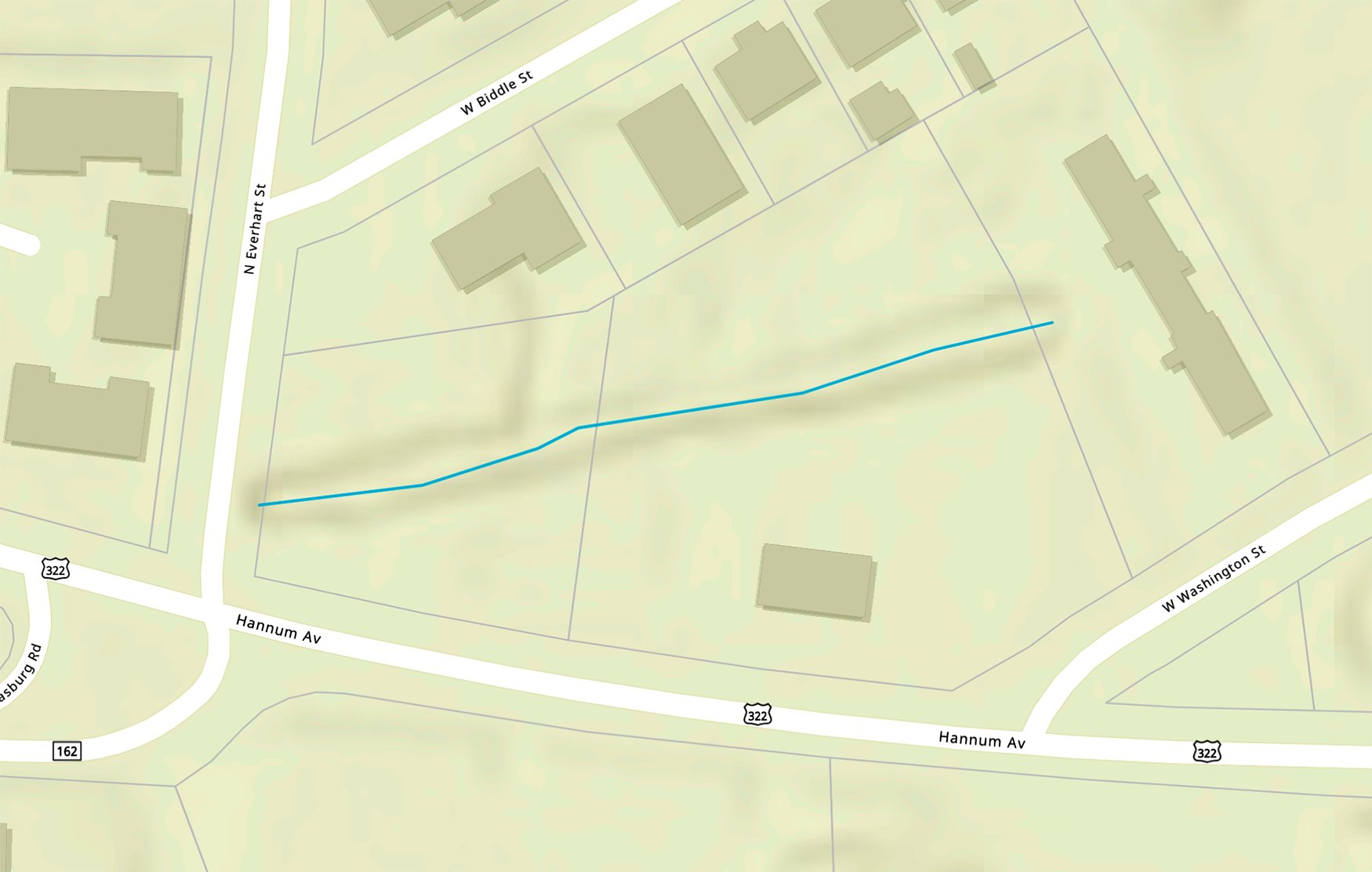
Map of Taylor Run Restoration Plan
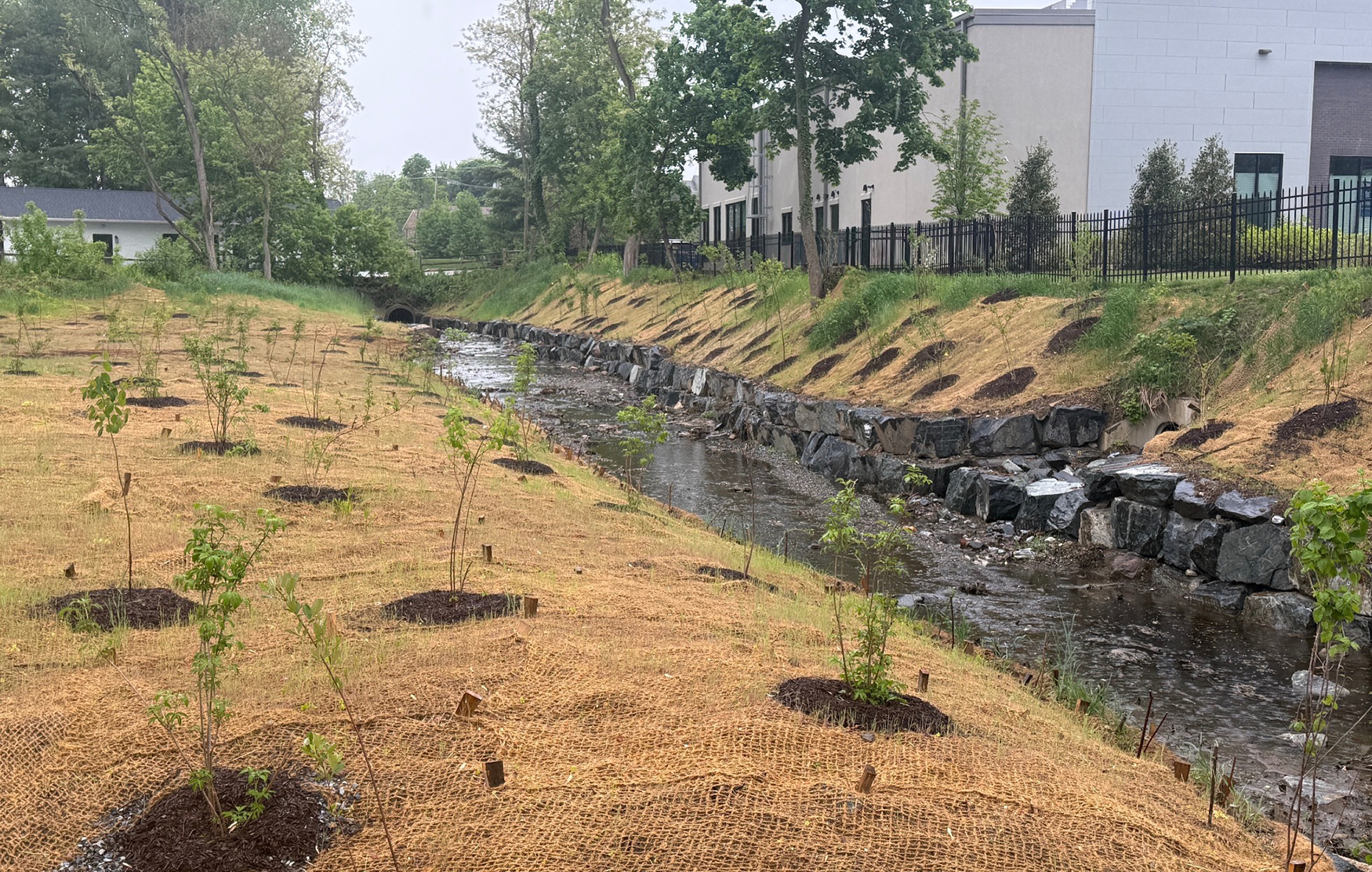
Taylor Run Restoration nearing completion
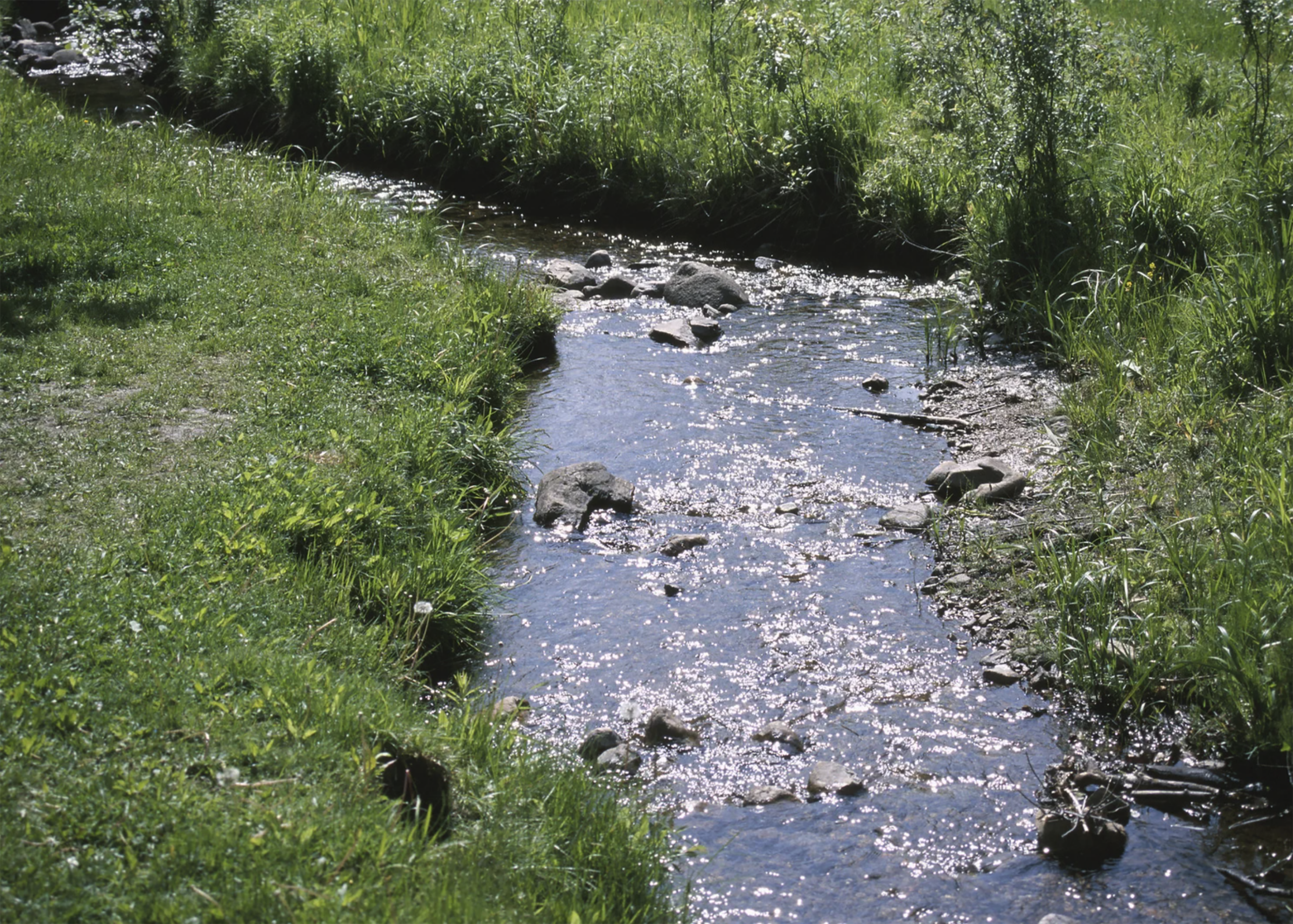
Pictured above is the Taylor Run stream which is a tributary of the Brandywine Creek. As noted in the West Chester Borough Ordinance 5-2016, the DEP deemed Taylor Run stream to be impaired due to unknown cause and other habitat alterations. West Chester Borough began planning the restoration initiative in 2024 in an effort to reduce local flooding, stabilize eroding stream banks, improve stormwater quality, and meet DEP pollution reduction mandates. Since Taylor Run is located on private property, easements were required of the property owners prior to any work being done. If easements were not granted to the Borough, then the DEP would have expected the property owners to remediate the stream themselves.
For this one stream restoration, which is approximately 500 feet in length, West Chester Borough budgeted approximately $1.4 million in total capital expenditures in 2024, 2025, and 2026. That equates to approximately $2,800 per linear foot of the stream to clean it, build a retaining wall, and plant grass and trees. About $1.1 million of the funding for the project came from state grants, which originates from taxpayers, and the remaining $350,000 is budgeted from West Chester Borough taxes and fees.
With the PA Supreme Court’s recent ruling against West Chester Borough on their Stormwater Fee, residents and businesses will now pay the Stormwater Tax to support the municipality’s restoration/beautification projects.
Bottom line…
The DEP’s unlimited purview on waterways and its regulation of the impact of natural processes could be considered examples of government overreach. The DEP determines if a condition is naturally occurring or caused by human actions. That potentially arbitrary decision could be costing taxpayers millions of dollars each year. Not every stream is supposed to house trout and shouldn’t be changed to do so. Sometimes dirt flows into streams and makes the water cloudy. That’s nature. It can be dirty.
Call it a “rain tax” or a “stormwater tax,” but the end result is the same. Do residents have any idea what their tax dollars are buying? Why not call Scouting America (formerly the Boy Scouts of America) or some other charitable organization to help with at least a good part of a needed project? Scouts could earn badges and experience, while taxpayers could be given a break!
We all want clean water and a beautiful environment, but we also want good stewards of our hard-earned tax dollars. It’s time to start holding elected officials and unelected bureaucrats accountable. We’re tired of getting taken for a ride down the river!
As the Constitutional Convention ended in 1787, Benjamin Franklin was asked if the delegates produced a monarchy or a republic. Franklin replied, “A republic, if you can keep it.”
We are trying to keep this republic that we love and hold our representatives accountable to the people. Join us in that mission and share this Update with your contacts!