The Vanguard Group Settles

The Vanguard Group, the second largest asset fund management company in the world and which is headquartered in Chester County, reached a settlement agreement in a multi-state lawsuit last week.
The lawsuit filed in November 2024 by Texas Attorney General Ken Paxton on behalf of Texas and ten other states alleged collusion among the three largest asset fund management firms to manipulate energy markets. The combined ownership by BlackRock, Vanguard, and State Street of some companies becomes a controlling interest that provides the ability of the investment firms to direct company management and policies.
What is the motivation for the alleged collusion? What is the basis for the lawsuit? What are the settlement terms? Let’s dig in…
Motivation: ESG

ESG, which stands for Environmental, Social, and Governance, is an investment strategy focused on acquiring holdings based on the companies’ environmental and social impact as well as their corporate governance. Several consortiums formed over the last 2 decades with the goal of encouraging investment in companies that promote environmental and social responsibility. Most are concerned about climate change and reducing carbon footprints. Some of the bigger advocacy groups include: Net Zero Asset Managers, As You Sow, and Climate Action 100.
Perhaps the largest organization promoting ESG in investments was developed by the United Nations in 2006, the U.N. Principles for Responsible Investment (PRI). There are now 4,900 participating international financial institutions in PRI, including all the largest asset fund management firms. The PRI urge members to follow these principles:
- Incorporate ESG issues into investment analysis and decision-making processes;
- Be active owners and incorporate ESG issues into our ownership policies and practices;
- Seek appropriate disclosure on ESG issues by the entities in which we invest;
- Promote the acceptance and implementation of the Principles within the investment industry;
- Work together to enhance our effectiveness in implementing the Principles;
- Report on our activities and progress towards implementing the Principles.
The PRI goal to be active owners encourages member investment managers to communicate to corporate leadership the outcomes they would like to see. If corporations don’t agree to act as the investment managers suggest, then as majority shareholders the firms can vote for radical shareholder proposals to change the direction of the company or simply vote for new board members who are willing to play ball.
Basis for the Lawsuit
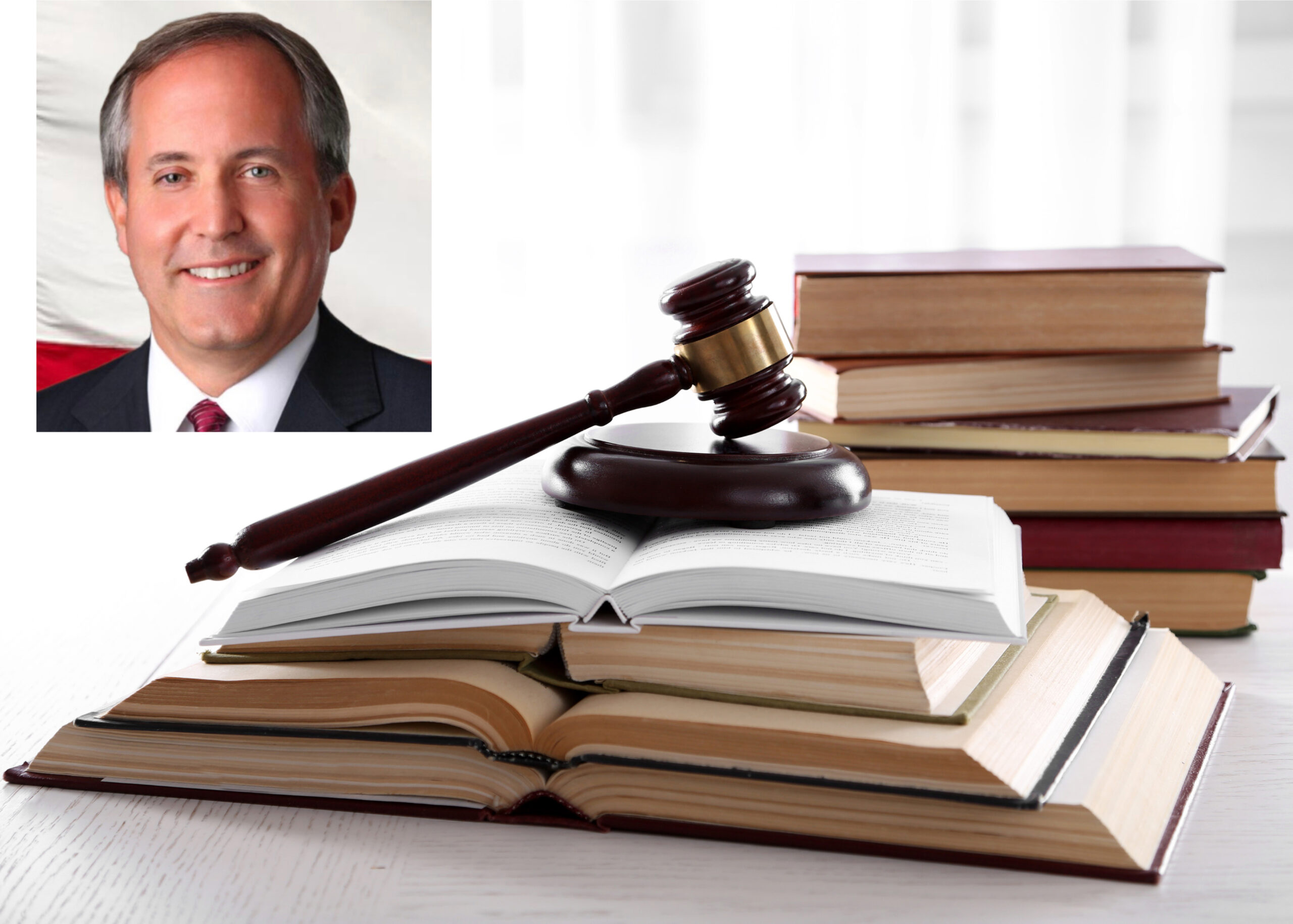
Texas Attorney General Ken Paxton
It’s one thing if an individual investor wants to invest in a company that promotes a particular perspective on social or environmental issues. It is quite another thing for the three largest investment fund managers to “suggest” to a company that it change its business model to produce desired social or environmental outcomes.
The three asset fund managers involved in the lawsuit were all members of PRI and likely followed the principles.
Attorney General Paxton argues that together the three investment companies owned 30-40% of certain coal companies and were their largest shareholders. He suggests that they used the weight of the collective to influence company decisions. In this case, they urged the coal companies to reduce carbon emissions, which meant decreasing their production of coal. Companies complied, which reduced the supply of coal and drove the price of coal up. Companies and asset managers scored big profits using climate change as the reason, while average Americans paid the price as they heated their homes.
The Sherman Anti-Trust Act of 1890 was enacted to eliminate trusts where shareholders of several companies transferred shares to a single set of trustees which essentially formed monopolies.
The Clayton Antitrust Act of 1914 was enacted to complement the Sherman Act and further antitrust laws by preventing anti-competitive practices like price discrimination, mergers that reduce competition, and exclusive dealing.
Attorney General Paxton believes the actions of BlackRock, Vanguard, and State Street violate Section 1 of the Sherman Act, for cartel behavior with climate change groups, and Section 7 of the Clayton Act for the acquisition of specific assets.
Settlement

As attorneys entered the discovery phase of this litigation, The Vanguard Group reached an agreement with Ken Paxton to avoid continued legal expenses. According to Brent Webster, First Assistant Attorney General of Texas, Vanguard will do the following:
- Pay $29.5 million in civil penalties to all the states;
- Remain a passive investor in companies, as originally chartered with the Securities and Exchange Commission;
- Make proxy voting available to fund investors upon certain thresholds;
- Drop out of the Net Zero Asset Managers Alliance;
- Drop out of Climate Action 100;
- Drop out of the U.N. PRI;
- No longer advocate to a company that it take action or not take action with respect to carbon emissions;
- Cease lobbying activities;
- Cooperate with the Attorney General on this case by providing access to communications between Vanguard, BlackRock, and State Street. This ends the myth that there was no collusion or coordination.
The Vanguard Group took the deal, and in doing so may have changed the asset management industry and stopped the “ESG-driven market manipulation.”
Bottom line…
It is good to see a local company do the right thing, as it appears The Vanguard Group is finally doing. The company clearly lost its way and succumbed to industry pressure in straying from its chartered mission of being a passive investor. However, we are left with questions that have not yet been answered.
Why didn’t regulatory agencies such as the SEC put a stop to active investment by these asset managers when they clearly violated their charters? Why did it take a strong attorney general to fact-find and litigate in order to force compliance? Where is the Department of Justice? This lawsuit focuses on the energy markets, specifically the coal industry. How many other industries are susceptible to the same manipulation that appears to have occurred in this case?
We are grateful for the work of the Texas Attorney General and hope BlackRock and State Street are severely punished for continuing their anti-trust practices. We are a nation of laws, but they mean nothing if they are not enforced!
As the Constitutional Convention ended in 1787, Benjamin Franklin was asked if the delegates produced a monarchy or a republic. Franklin replied, “A republic, if you can keep it.”
We are trying to keep this republic that we love and hold our representatives accountable to the people. Join us in that mission and share this Update with your contacts!