The Story in Certain Chesco, Delco, and Montco School Districts
Philadelphia is one of the most poverty stricken large cities in the country, but it isn’t alone. The suburbs also have cities and townships trying to meet the needs of very poor citizens and educating their children. After looking at the School District of Philadelphia, we decided to dig into some of the poorest school districts in Delaware, Chester, and Montgomery Counties. Are budgets increasing? Are taxes increasing? Are they successful in educating their children? Let’s see…
Chester-Upland School District, Delaware County
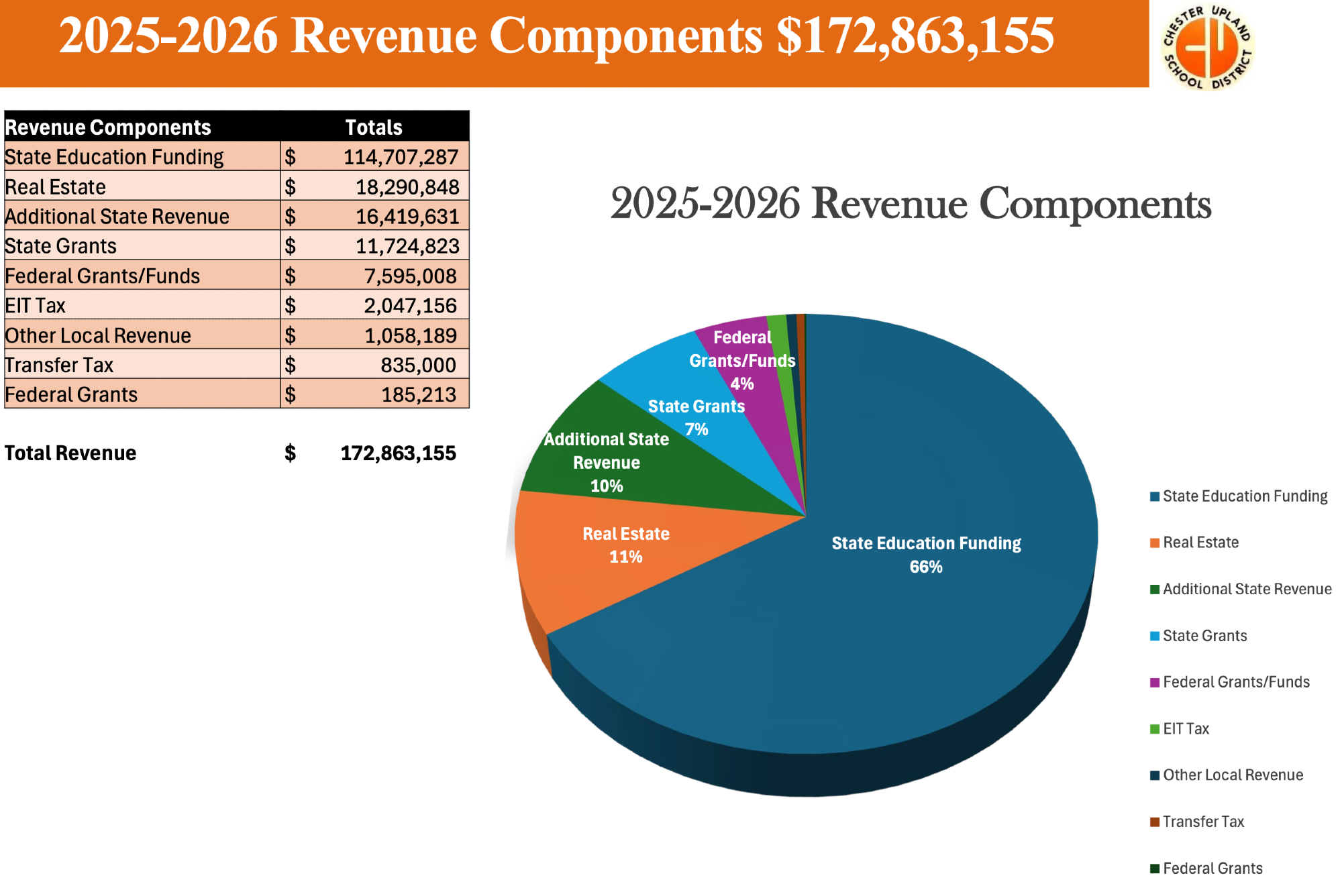
The City of Chester and the Chester-Upland School District have been in dire financial straights for a long time. The city is under a state-appointed receivership in an effort to bring Chester out of bankruptcy. The school district isn’t doing much better. Most of the funding in the 2025-2026 Chester-Upland School District budget comes from the state – $142 million, or 82.6%.
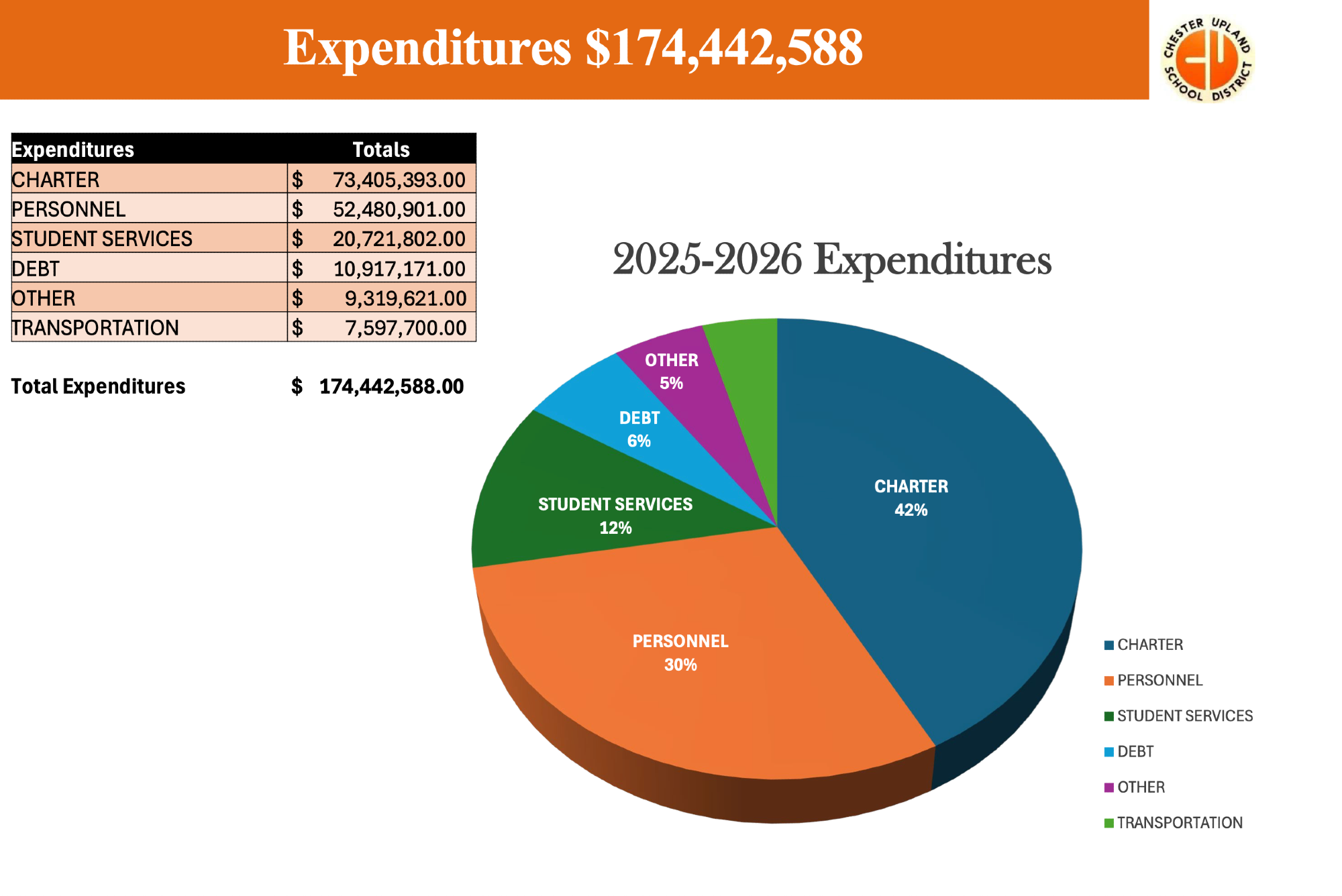
The majority of the district expenses, 42%, go toward funding charter schools, while personnel costs account for another 30%. The school district opted for a a modest 3.26% tax increase over the state allowed, 6.1%. With 3,200 enrolled students, the Chester-Upland School District is spending $25,303 to educate each pupil.
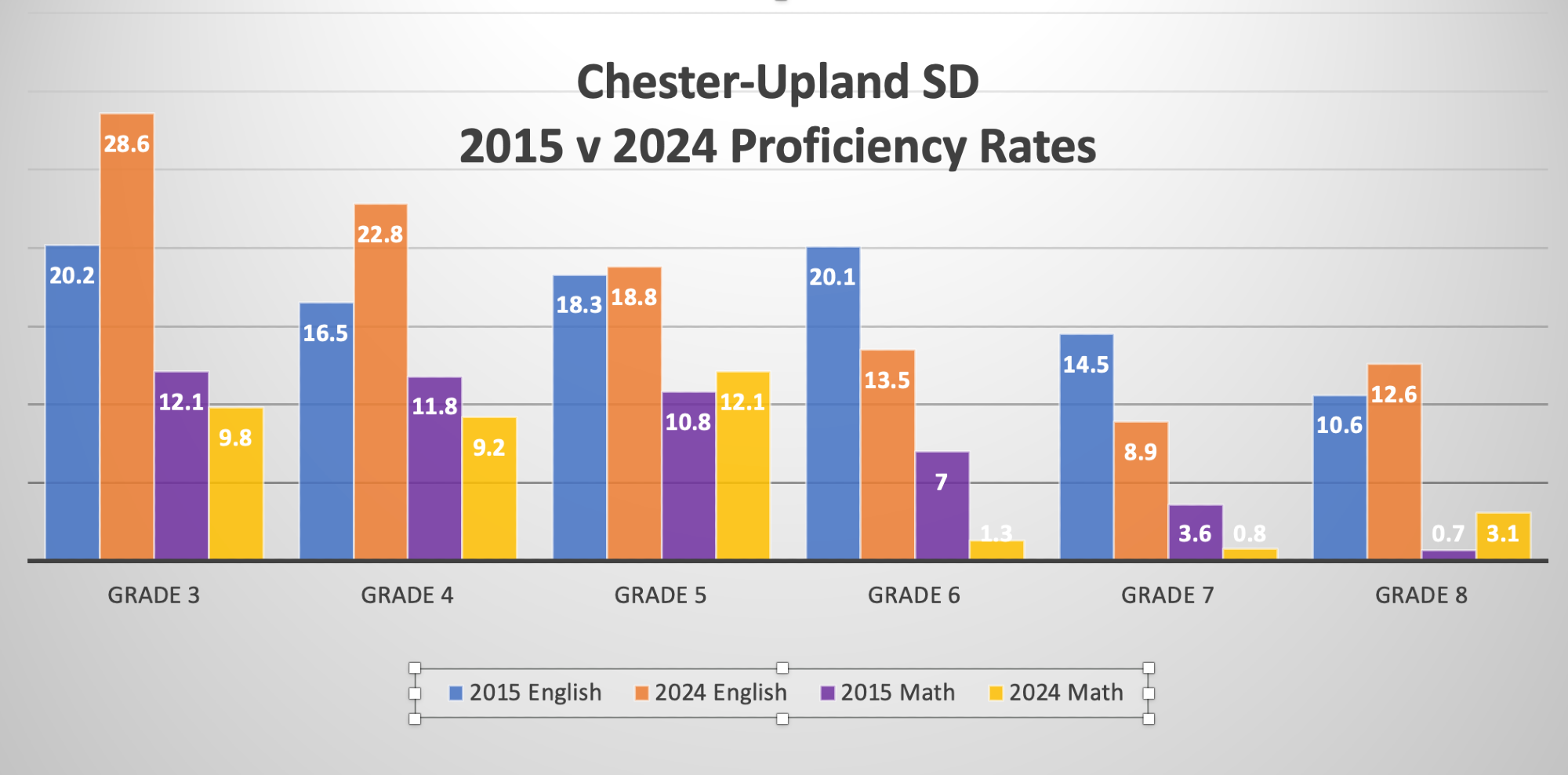
When we look at the proficiency rates for the school district, it’s understandable that parents are moving their children to charter schools and, potentially, private schools. The overall proficiency in English for grades 3-8 in the 2024 PSSA tests was 17.7%. It’s horrible! But, it’s an improvement since 2015, when the rate was 16.6%. When we look at the math numbers, the scores are even worse! The overall proficiency in Math for grades 3-8 in the 2024 PSSA tests was 6.2%! The math scores actually fell from 2015, when the average score was 7.6%.
Below is a chart of the scores by grade level, year, and subject for the district. All data can be found by downloading the PSSA results for each year from the PA Department of Education.
Coatesville Area School District, Chester County
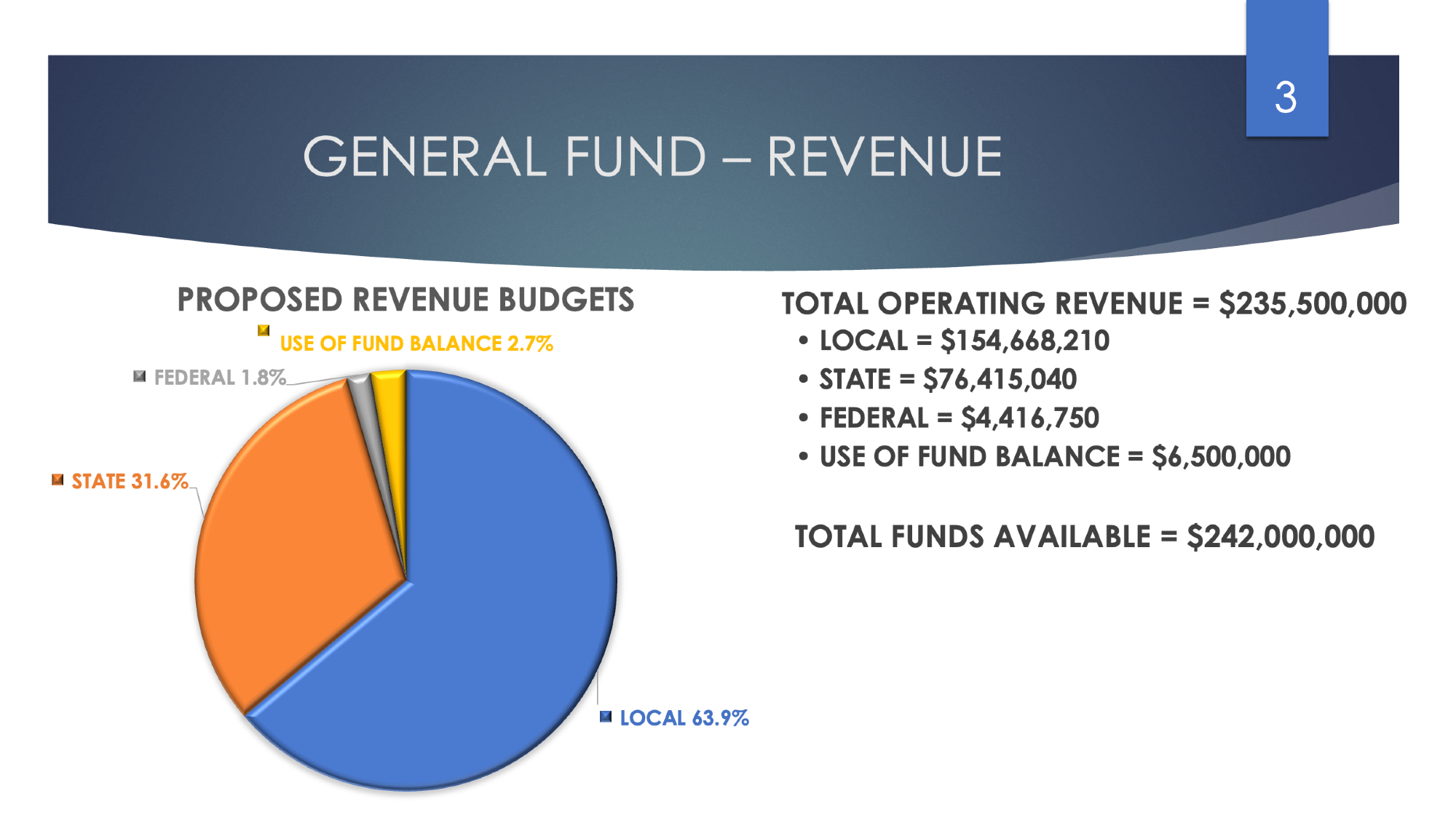
In the 2025-2026 budget, the Coatesville Area School District actually derives most of its revenue, almost 64%, from local sourcing, i.e. local taxes. However, as seen below, almost 32% of the district’s funding comes from the state.
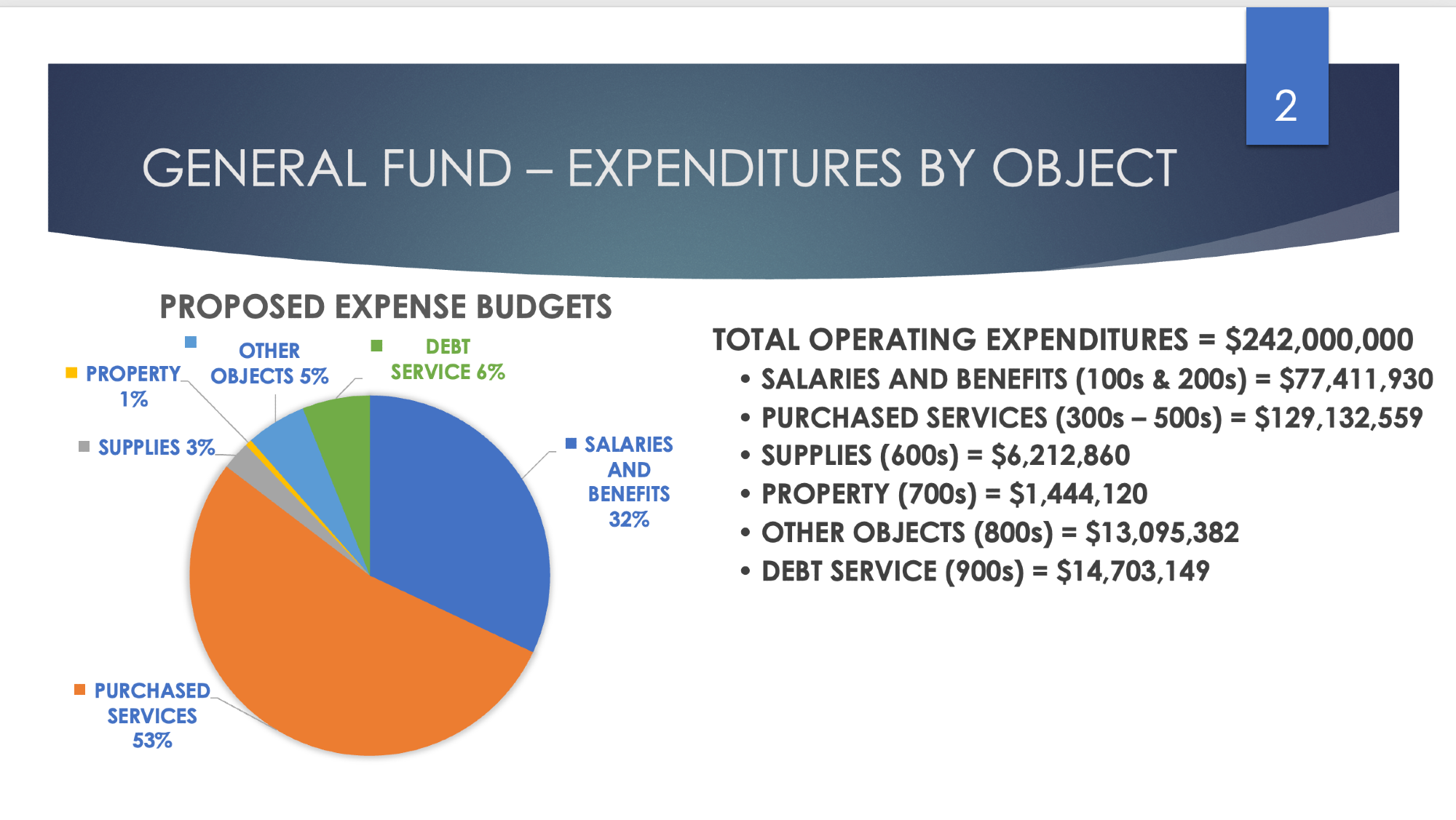
It is difficult to identify the actual amount spent on charter schools because the school district aggregates charter schools with purchased services. However, as Lancaster Online reported, the business administration director, Lori Diefenderfer, indicated that $75 million will be spent on tuition to charter and cybercharter schools. In addition, salaries will increase by $5.1 million from a collective bargaining contract. Will the school tax increase? Of course it will…but only by 3.5%. The board was authorized to increase the tax by 5.1%. Coatesville School District has approximately 8,242 students enrolled and it’s costing taxpayers $29,362 per pupil.
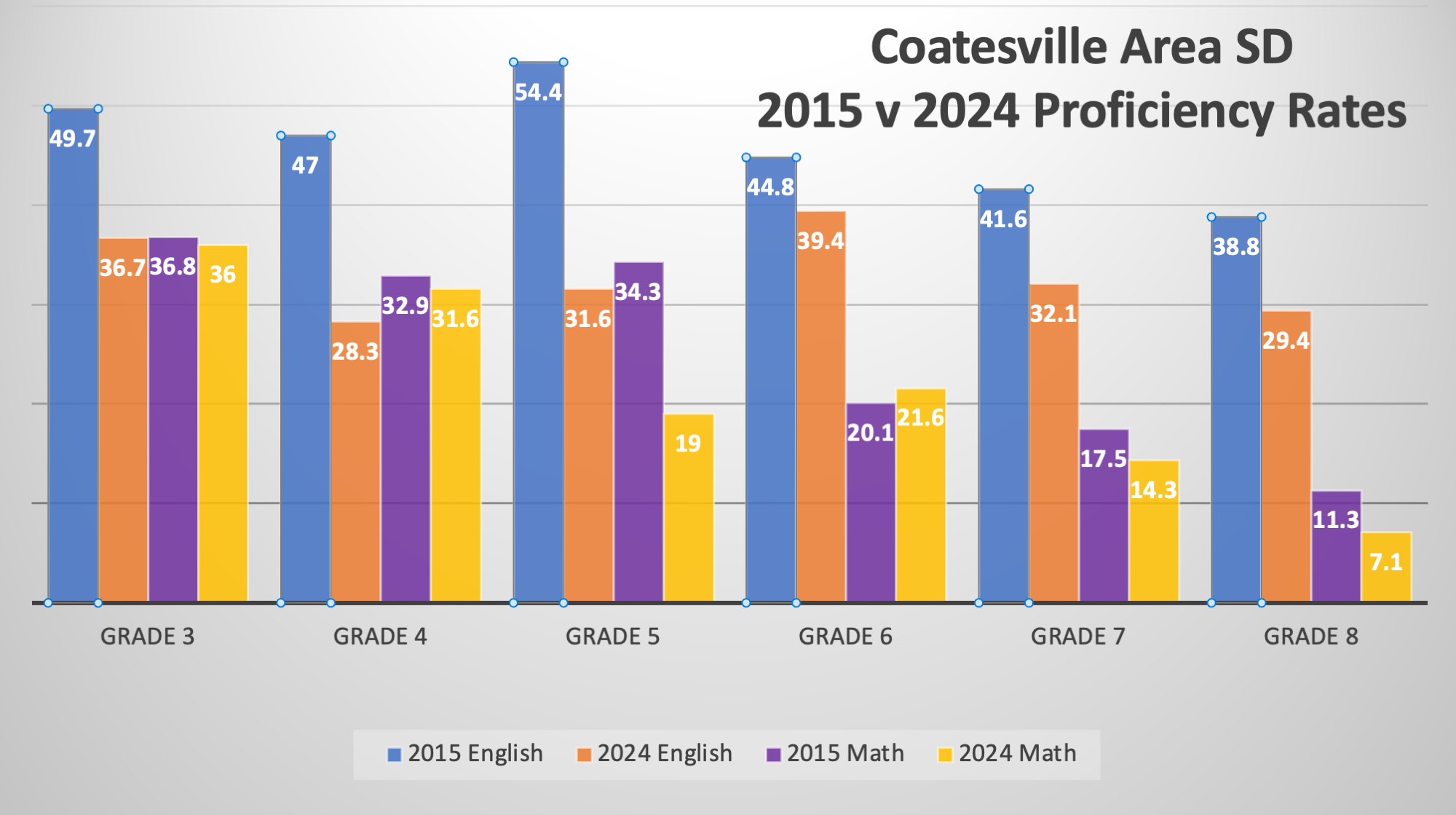
Reviewing the proficiency rates in the PSSA tests from 2015 and 2024 show a drop in both English and Math scores in grades 3 through 8. The overall proficiency in English in 2024 was 32.8%, a decrease of 13.2% from 46% in 2015. Only 21.5% of 3rd through 8th grade students were proficient in Math in 2024, which was down from 25.4% in 2015.
Below is a chart of the scores by grade level, year, and subject for the district. All data can be found by downloading the PSSA results for each year from the PA Department of Education.
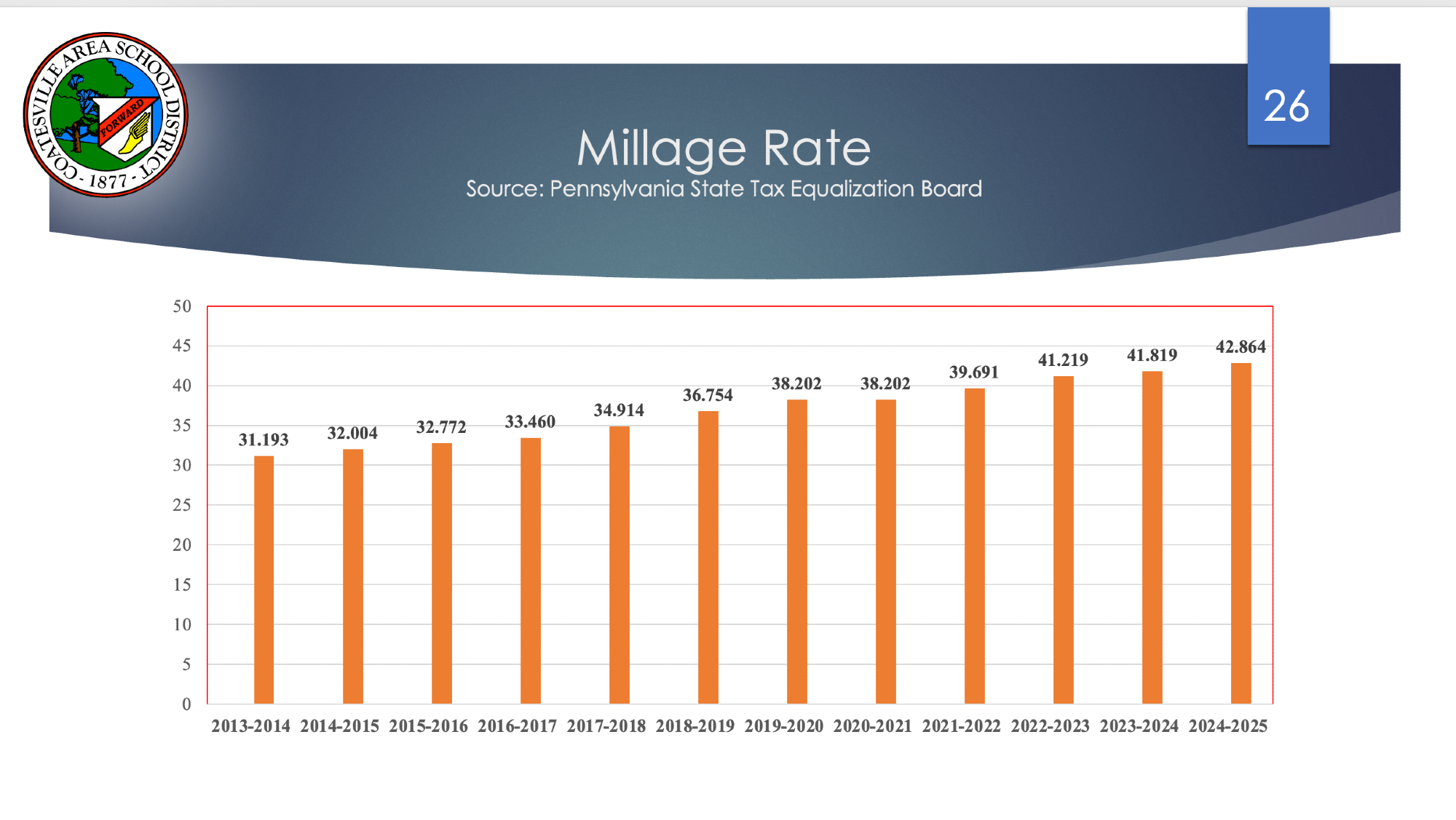
Everyone in Coatesville should thank the School Board for only increasing their taxes by 3.5% this year. As seen in the chart below, the 38.6% increase in their taxes over the last 10 years has clearly benefitted the children’s education tremendously. Those dropping test scores prove it, right?
Norristown Area School District, Montgomery County
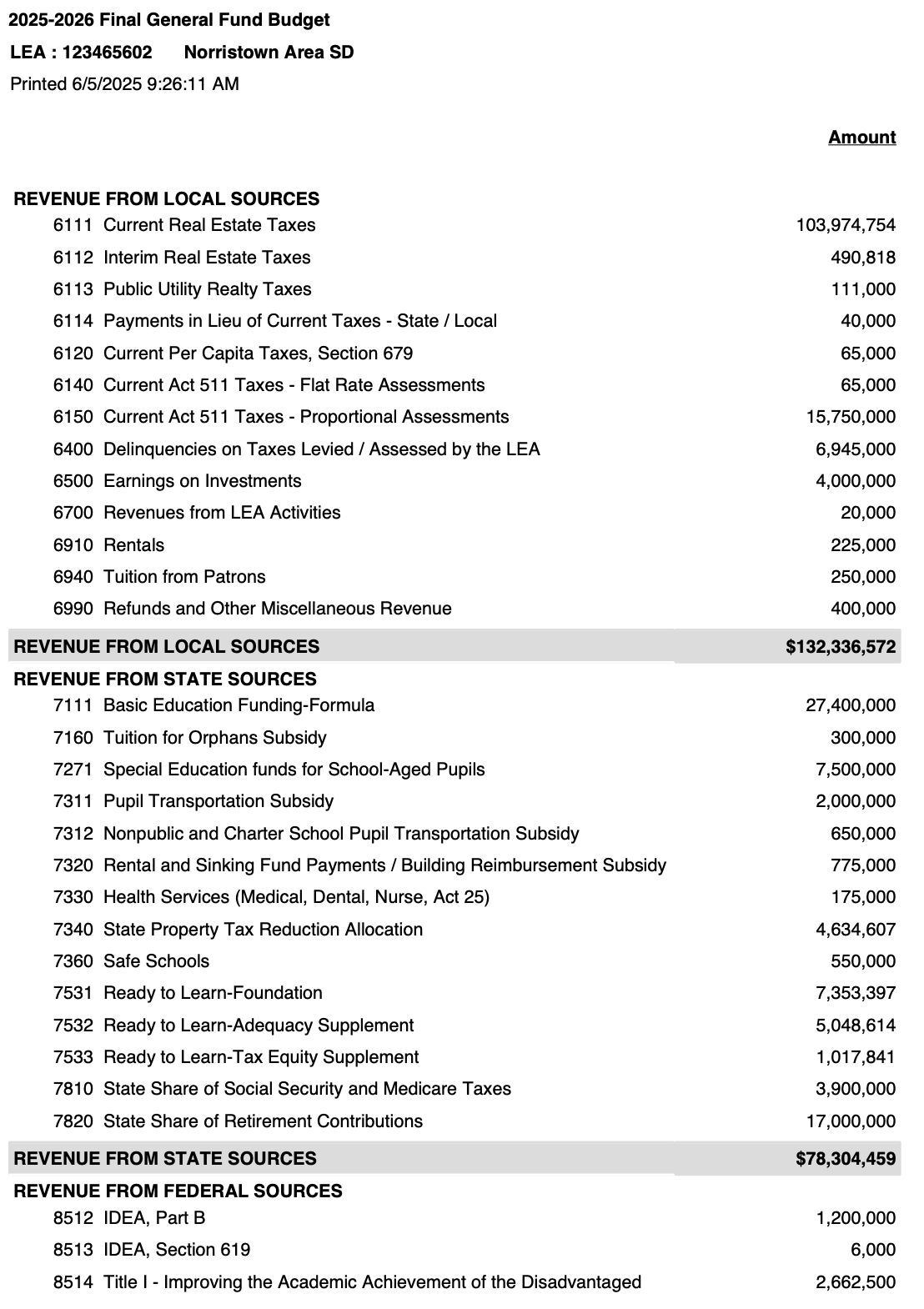
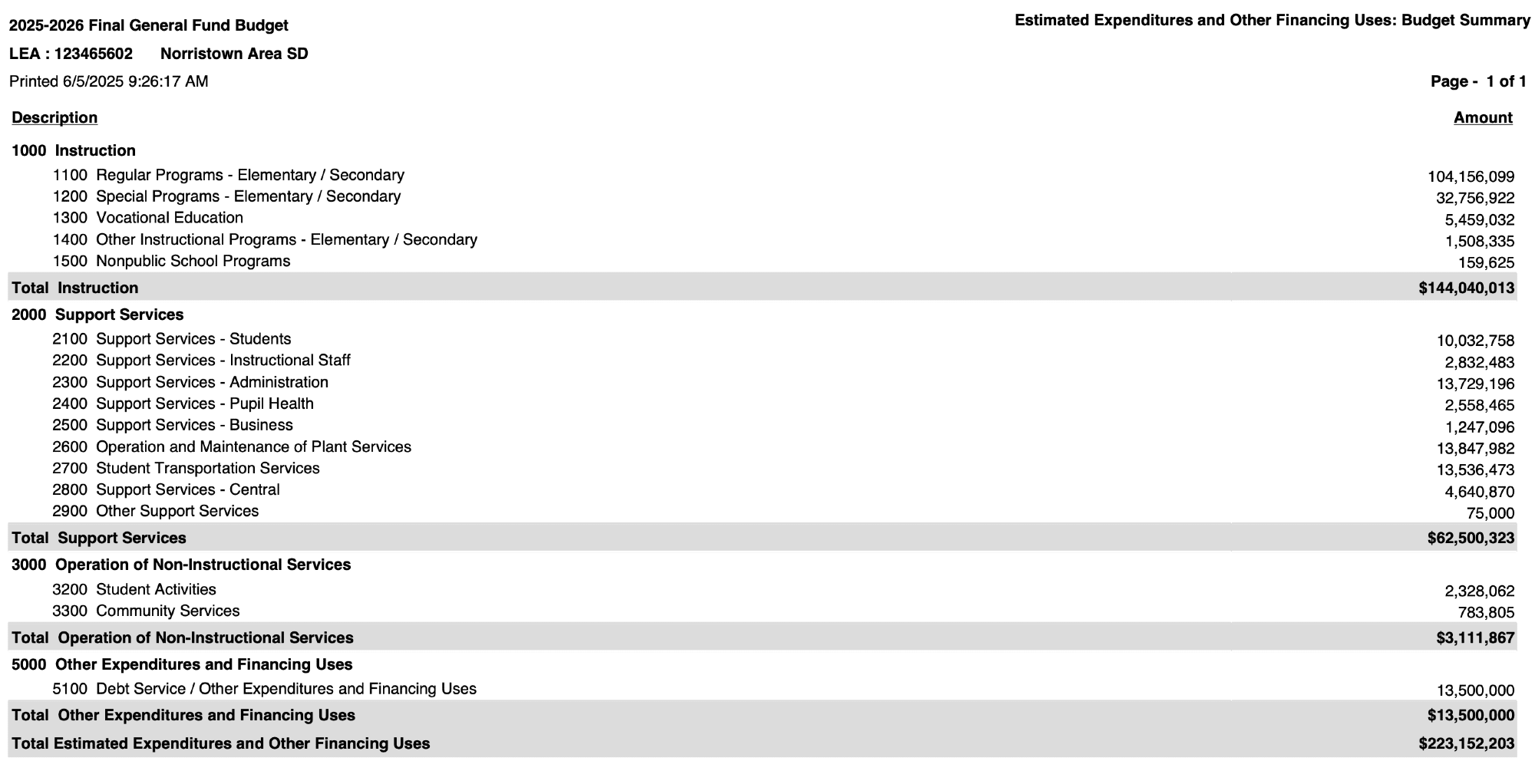
The Norristown Area School District approved a 1% increase in school taxes which will boost local revenue in the $223 million budget. As seen in the budget document below, the district receives most of its revenue, 61%, from local taxes and fees. However, it relies on the state for 36% of its revenue. According to this budget, Norristown holds $57.5 million in a general reserve fund, which is more than 25% of their expenditures. Why would any tax increase be necessary when they hold that much in reserve?
It is difficult to determine how much of the school district’s expenses go to charter schools. However, Superintendent Christopher Dormer indicated that Norristown School District will be increasing personnel by 54 positions to include teachers and student service staff. This brings the number of new staff members to close to 200 in the last five years. The district has 8,415 students enrolled in district and charter schools, and spends $26,518 to educate each.
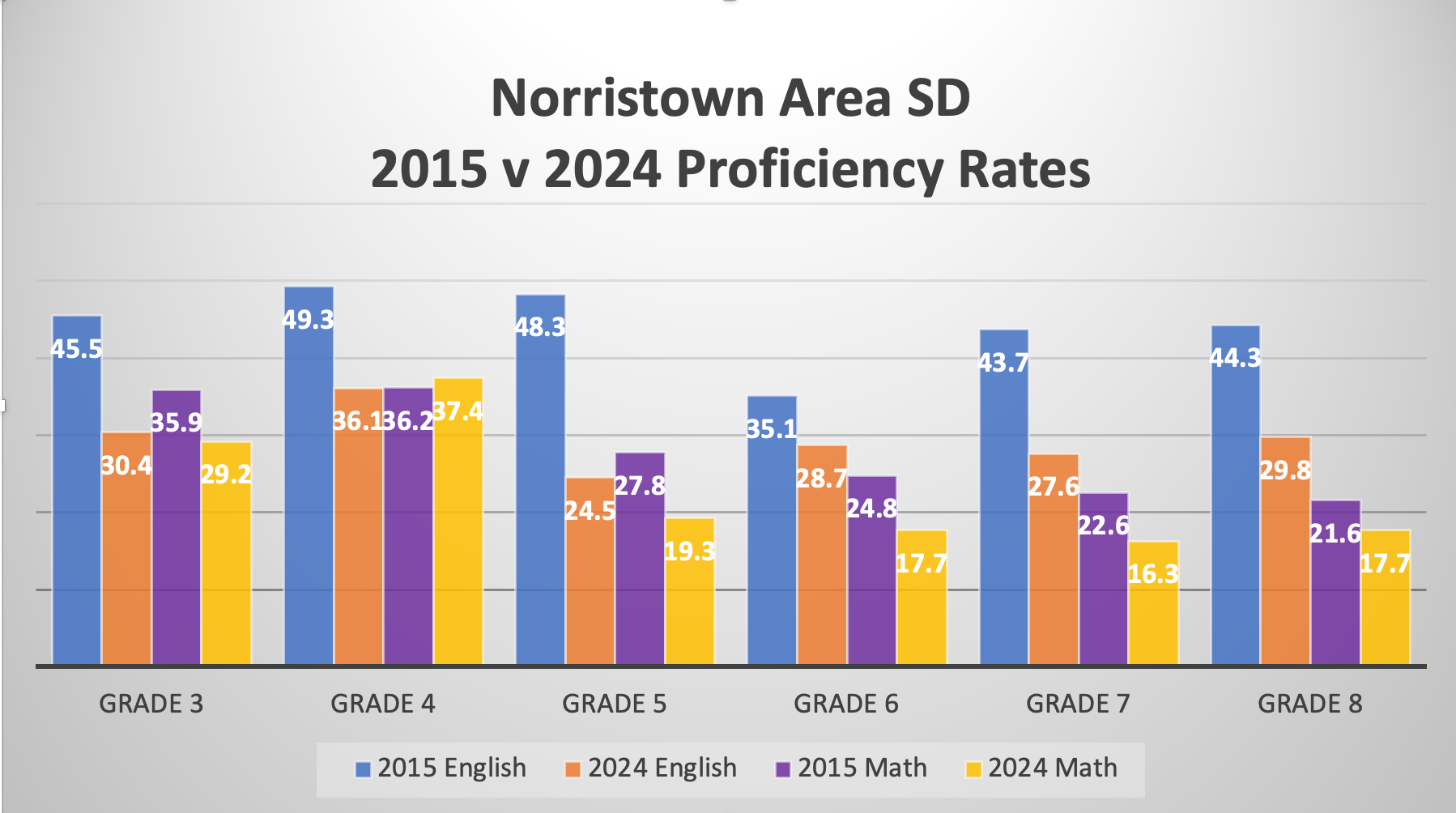
Has this increase in personnel aided students in learning? The short answer is NO. The overall English proficiency rate for grades 3 to 8 in the 2024 PSSA test is 29.4%. That’s down by 15.2 points from the 2015 rate of 44.6%. The math proficiency rate for the same grades in 2024 is 22.7%, which is down from 29% in 2015.
Below is a chart of the scores by grade level, year, and subject for the district. All data can be found by downloading the PSSA results for each year from the PA Department of Education.
Bottom line…
Children in poor areas are not receiving a good education. The test scores prove it. Districts can raise taxes and beg for money from the state and federal government, but throwing money at the education problem has not solved it. Albert Einstein is quoted as saying, “We cannot solve our problems with the same thinking we used when we created them.” Yet, the public school system with its unions and group think is still using the same thinking that created the problems for our children.
Whether in a poor district or a wealthy one, parents are seeking solutions outside the traditional public school system for good reason. They are tired of passing grades without proficiency and want better for their children. The education system is broken. We must demand better for the next generation!
Please share this information with friends, neighbors, and contacts!
As the Constitutional Convention ended in 1787, Benjamin Franklin was asked if the delegates produced a monarchy or a republic. Franklin replied, “A republic, if you can keep it.”
We are trying to keep this republic that we love and hold our representatives accountable to the people. Join us in that mission and share this Update with your contacts!