Proposed Changes Would Redefine Residency Criteria and Restrict Demographic Data Collection
As people engage in the voting process for State House Representatives and U.S. Congressional Representatives, we understand that these state and federal districts are based upon population. With each decennial census, the State House district maps may change or the number of Congressional seats held in a state may fluctuate in accordance with the new total count of the population.
While the 2026 representative elections are based upon the 2020 census, the U.S. Census Bureau is already planning the 2030 survey and are currently seeking public comment about a few potential changes.
Constitutional Purpose
The Enumeration Clause, Article 1, Section 2, Clause 3 of the United States Constitution, tasks the U.S. Congress with apportioning seats to the House of Representatives every ten (10) years based upon the number of qualifying persons in each state. The responsibility of tabulating the population was statutorily given to the U.S. Census Bureau, an office of the Department of Commerce, in Title 13 of the U.S. Code. Congress provided the bureau with broad discretion in conducting an accurate and effective counting.
Proposed Changes
With that discretion, on September 9, 2026 the U.S. Department of Commerce and the Census Bureau under the leadership of Commerce Secretary Howard Lutnick published proposed regulation changes to the 2030 U.S. Census. The suggested changes center around two issues: Residence criteria and demographic questions.
Residence Criteria
The proposed regulations use the term “usual residence” in determining whether or where to count someone for purposes of the census and representative apportionment. This term has been used since the First Congress where it meant “usual place of abode.” It is defined in this regulation as:
“the residence at which they have lawfully spent the greatest number of days during the census enumeration period. A person’s “usual residence” should be consistent with, and evidenced by, their tax records.”
The enumeration period runs from January 3 to April 1.
Given this definition, here are some of the most significant proposed regulations with the residence criteria with respect to apportionment:
- Foreign citizens who are also U.S. citizens or lawful permanent residents – COUNTED;
- Foreign citizens who are not U.S. citizens or lawful permanent residents – NOT COUNTED;
- Military or civilian employees (and dependents) stationed outside the U.S. – COUNTED;
- U.S. citizens living outside the U.S. who are non-military or civilian employees – NOT COUNTED
This regulatory change has the potential to be most significant in the apportionment of representatives. The 2020 U.S. Census included all residents in the enumeration for apportionment, including U.S. citizens, temporary visa holders, foreign nationals, illegal immigrants, etc. If this regulation is put into effect, states with high concentrations foreigners or unlawful permanent residents would likely get fewer representatives in Congress.
Demographic Questions
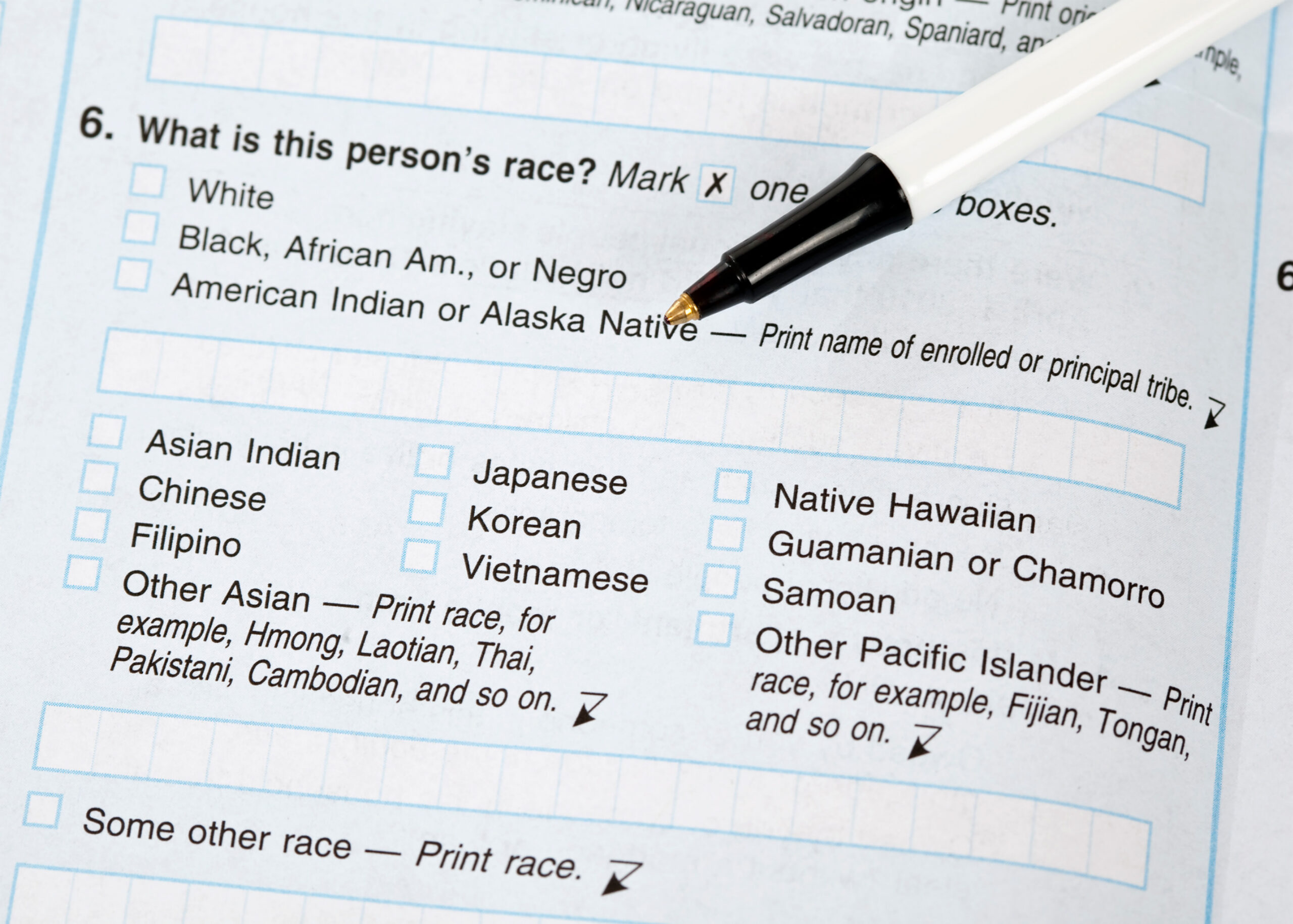
Demographic questions have been asked on the U.S. Census since the 18th century. They have changed over the years, but have included: race, age, ethnicity, sex, occupation, citizenship, housing, native tongue, and more. While the Supreme Court determined that the question of citizenship is allowed under the law, it has not rendered a decision on other demographic questions.
The Census Bureau has found that the more demographic questions asked, the less likely someone is to respond. Due to the personal nature of some of the questions, the bureau also has a concern for maintaining the privacy of the respondents. Since demographic collection is not the statutory purpose of the census and much of it can be acquired by other means, the department proposes the following:
- No questions about race, ethnicity, or sexual orientation shall be used for enumeration;
- Questions about biological sex, date of birth, and household relationships may only be used to facilitate data verification;
- With the exception of questions about biological sex, date of birth, and household relationships, no one shall be required to answer other demographic questions as part of the census.
The public is encouraged to submit comments about the proposed rules to the Bureau of the Census no later than November 2, 2026. Note that the date was extended due to the high interest in these changes. To date, over 54,000 comments have been submitted and can be viewed here.
Bottom line…
Over the years the U.S. Census Bureau has changed the methodology and regulations used in calculating the population for purposes of representation. It seems this Department of Commerce is taking a hard look at the intention of the Constitution and trying to move toward those founding principles. Did the Founding Fathers intend for visitors to this country to receive representation in Congress? Would they have required someone to declare his sexual orientation to the federal government?
The U.S. Census helps facilitate the Representative Republic we were given. Can we keep it?
As the Constitutional Convention ended in 1787, Benjamin Franklin was asked if the delegates produced a monarchy or a republic. Franklin replied, “A republic, if you can keep it.”
We are trying to keep this republic that we love and hold our representatives accountable to the people. Join us in that mission and share this Update with your contacts!


Proposed Changes Would Redefine Residency Criteria and Restrict Demographic Data Collection
As people engage in the voting process for State House Representatives and U.S. Congressional Representatives, we understand that these state and federal districts are based upon population. With each decennial census, the State House district maps may change or the number of Congressional seats held in a state may fluctuate in accordance with the new total count of the population.
While the 2026 representative elections are based upon the 2020 census, the U.S. Census Bureau is already planning the 2030 survey and are currently seeking public comment about a few potential changes.
Constitutional Purpose
The Enumeration Clause, Article 1, Section 2, Clause 3 of the United States Constitution, tasks the U.S. Congress with apportioning seats to the House of Representatives every ten (10) years based upon the number of qualifying persons in each state. The responsibility of tabulating the population was statutorily given to the U.S. Census Bureau, an office of the Department of Commerce, in Title 13 of the U.S. Code. Congress provided the bureau with broad discretion in conducting an accurate and effective counting.
Proposed Changes
With that discretion, on September 9, 2026 the U.S. Department of Commerce and the Census Bureau under the leadership of Commerce Secretary Howard Lutnick published proposed regulation changes to the 2030 U.S. Census. The suggested changes center around two issues: Residence criteria and demographic questions.
Residence Criteria
The proposed regulations use the term “usual residence” in determining whether or where to count someone for purposes of the census and representative apportionment. This term has been used since the First Congress where it meant “usual place of abode.” It is defined in this regulation as:
“the residence at which they have lawfully spent the greatest number of days during the census enumeration period. A person’s “usual residence” should be consistent with, and evidenced by, their tax records.”
The enumeration period runs from January 3 to April 1.
Given this definition, here are some of the most significant proposed regulations with the residence criteria with respect to apportionment:
This regulatory change has the potential to be most significant in the apportionment of representatives. The 2020 U.S. Census included all residents in the enumeration for apportionment, including U.S. citizens, temporary visa holders, foreign nationals, illegal immigrants, etc. If this regulation is put into effect, states with high concentrations foreigners or unlawful permanent residents would likely get fewer representatives in Congress.
Demographic Questions
Demographic questions have been asked on the U.S. Census since the 18th century. They have changed over the years, but have included: race, age, ethnicity, sex, occupation, citizenship, housing, native tongue, and more. While the Supreme Court determined that the question of citizenship is allowed under the law, it has not rendered a decision on other demographic questions.
The Census Bureau has found that the more demographic questions asked, the less likely someone is to respond. Due to the personal nature of some of the questions, the bureau also has a concern for maintaining the privacy of the respondents. Since demographic collection is not the statutory purpose of the census and much of it can be acquired by other means, the department proposes the following:
The public is encouraged to submit comments about the proposed rules to the Bureau of the Census no later than November 2, 2026. Note that the date was extended due to the high interest in these changes. To date, over 54,000 comments have been submitted and can be viewed here.
Bottom line…
Over the years the U.S. Census Bureau has changed the methodology and regulations used in calculating the population for purposes of representation. It seems this Department of Commerce is taking a hard look at the intention of the Constitution and trying to move toward those founding principles. Did the Founding Fathers intend for visitors to this country to receive representation in Congress? Would they have required someone to declare his sexual orientation to the federal government?
The U.S. Census helps facilitate the Representative Republic we were given. Can we keep it?
As the Constitutional Convention ended in 1787, Benjamin Franklin was asked if the delegates produced a monarchy or a republic. Franklin replied, “A republic, if you can keep it.”
We are trying to keep this republic that we love and hold our representatives accountable to the people. Join us in that mission and share this Update with your contacts!
Related Posts
National Parks and Monuments
National Flag Week
Local & Federal Financial Mismanagement